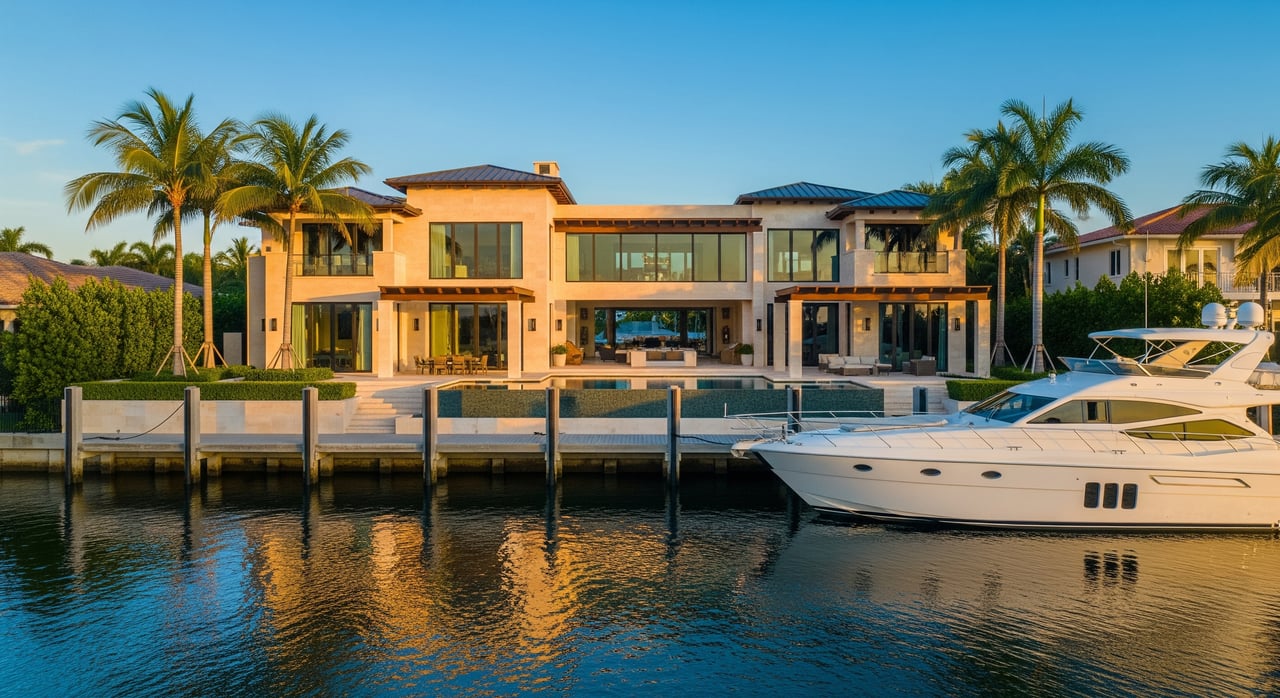
Torn between Fort Lauderdale and Boca Raton? You are not alone. These coastal neighbors offer sunshine, beaches, and boating, yet the day‑to‑day experience can feel very different. In this guide, you will learn how the two cities compare on lifestyle, housing, schools, taxes, insurance, flood risk, and travel convenience so you can choose with confidence. Let’s dive in.
Fort Lauderdale vs Boca Raton
Both cities sit on South Florida’s Atlantic coast about 20 to 45 minutes apart by car, with shared climate and hurricane realities. The differences often come down to pace and setting. Fort Lauderdale skews urban and nautical with a lively downtown, while Boca Raton leans residential and planned with a strong country‑club and neighborhood focus.
Urban energy vs suburban calm
Fort Lauderdale centers on an urban waterfront lifestyle. You get a larger downtown core, Las Olas Boulevard shopping and dining, arts venues, and an active marina and boating culture. Boca Raton offers a more suburban rhythm with gated neighborhoods, golf and country‑club living, and corporate and academic anchors that support long‑term residency.
Beaches and boating
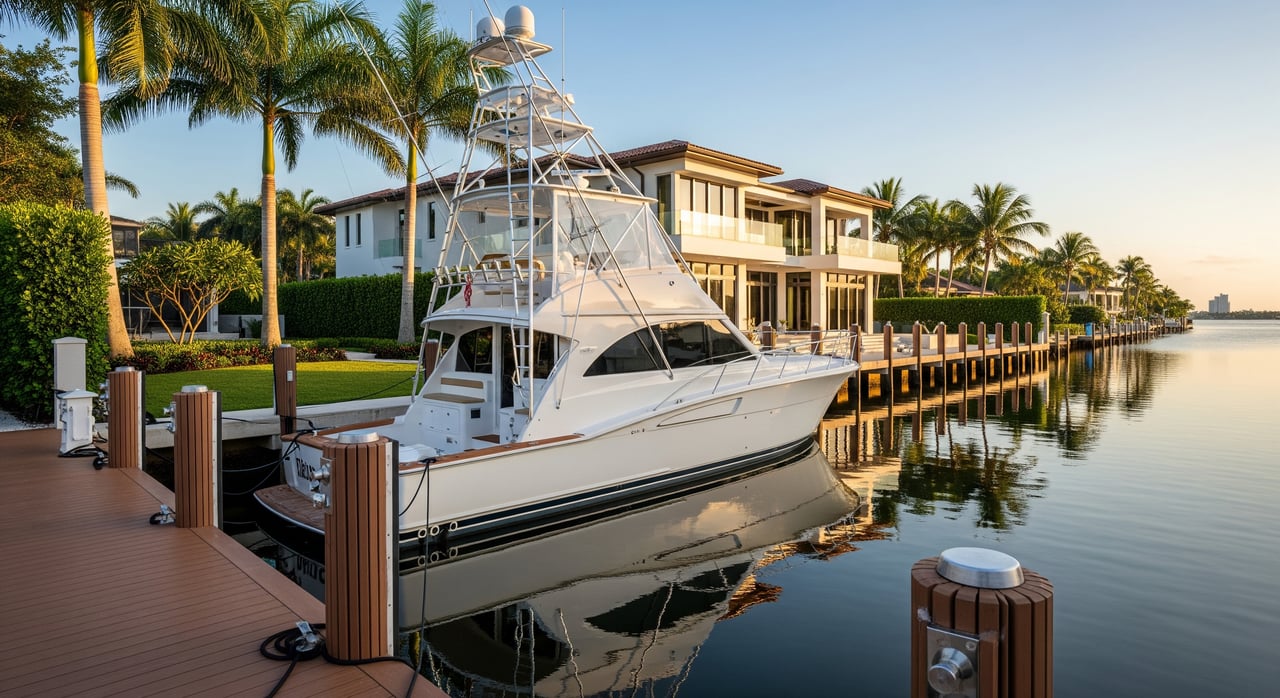
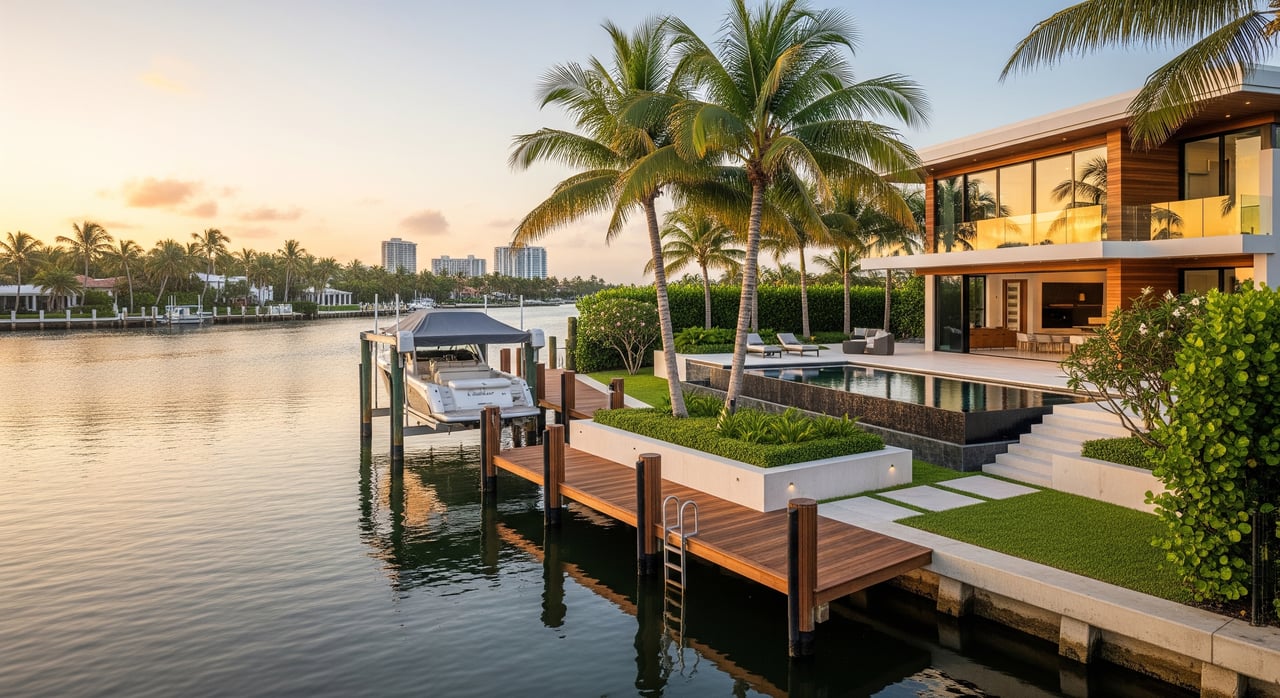
Both cities have excellent beaches and access to the Intracoastal Waterway. Fort Lauderdale’s beachfront has more tourist activity and hospitality options. Boca Raton’s beach areas tend to feel quieter and more residential in character. If dockage, canal access, or marina facilities matter, Fort Lauderdale’s extensive canal network is a major draw.
Dining, arts, and shopping
In Fort Lauderdale, you will find Las Olas and Riverwalk for restaurants, galleries, and events. Boca Raton clusters dining and retail around Mizner Park and Town Center, along with community arts programming. Both areas host seasonal events that bring added energy in winter.
Real estate snapshot
Choosing between the cities often starts with the home you want and the lifestyle you expect. Inventory changes quickly, and prices vary by neighborhood, building, and waterfront features.
Property types and feel
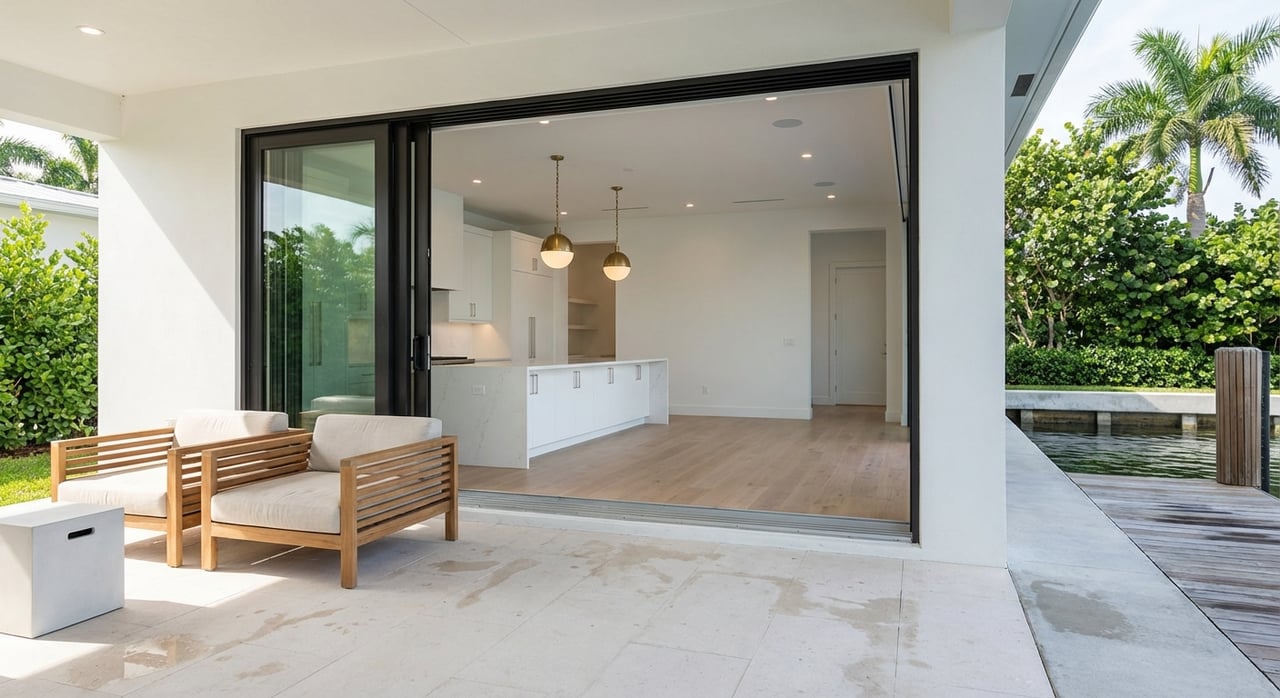
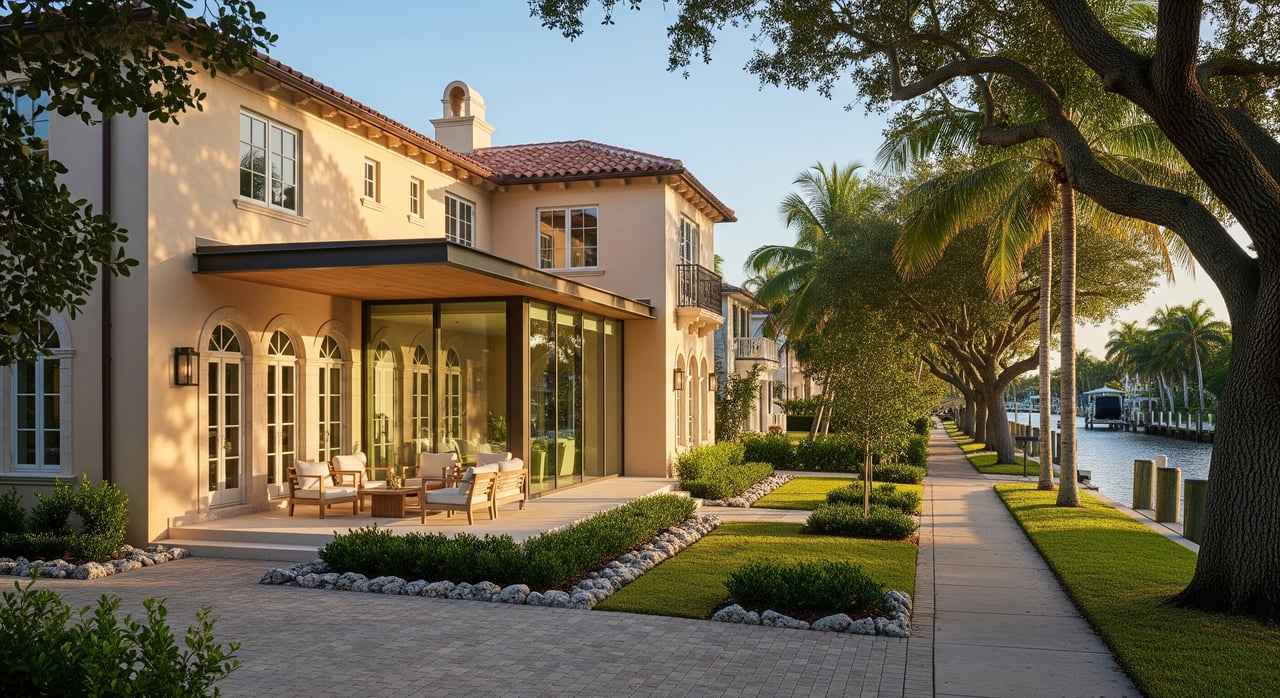
Fort Lauderdale offers a wide mix: downtown high‑rise condos, waterfront townhomes and estates, and established single‑family neighborhoods near the beach and canals. Boca Raton prioritizes planned and gated communities, larger HOAs and country‑club options, single‑family homes, and a healthy condo market closer to the beach and business corridors.
Pricing and timing
Historically, select Boca Raton neighborhoods and country‑club or waterfront enclaves command high per‑square‑foot pricing, while Fort Lauderdale’s range of downtown and waterfront options can include more entry‑level condos alongside luxury towers and estates. Seasonality matters. Fall and winter often bring an influx of seasonal buyers that can tighten inventory and affect days on market.
Rental and investment rules
If you plan to rent, review city rules before you assume income potential. Vacation rental licensing and enforcement vary by municipality. Check the City of Fort Lauderdale and City of Boca Raton resources for current guidance, then confirm specifics with the planning department or a local property manager.
- Review Fort Lauderdale regulations and planning resources on the City of Fort Lauderdale site.
- Review Boca Raton planning and code guidance on the City of Boca Raton site.
Schools and higher education
Public schools align with county lines. Fort Lauderdale is served by Broward County Public Schools. Boca Raton is served by the School District of Palm Beach County. School ratings and boundaries can change, so verify addresses and programs directly with the districts.
- Explore Broward County Public Schools.
- Explore the School District of Palm Beach County.
Boca Raton is also home to Florida Atlantic University, which supports a steady student and staff rental base. Broward County hosts multiple higher‑education institutions and specialty programs that influence housing and commuting patterns in select neighborhoods.
Commute and connectivity
Both cities are well connected by I‑95 and Florida’s Turnpike. Fort Lauderdale–Hollywood International Airport is closest to Fort Lauderdale, while Palm Beach International Airport is closest to Boca Raton. Regional rail options include Tri‑Rail and Brightline express service to downtown stations along the corridor.
Ownership costs and risk
Your ongoing costs in South Florida involve more than the purchase price. Take time to compare taxes, insurance, flood exposure, and community rules.
Property taxes
Florida has no state income tax, but property taxes vary by county and municipality. Homestead exemptions and local millage rates can change, so use county tools to estimate your bill for specific addresses.
- Check parcels and exemptions on the Broward County Property Appraiser.
- Check parcels and exemptions on the Palm Beach County Property Appraiser.
Insurance and flood
Homeowners insurance and windstorm coverage are significant line items in coastal Florida. Premiums fluctuate with market conditions and property specifics such as roof age, impact windows, elevation, and proximity to water. For current statewide trends, review the Florida Office of Insurance Regulation.
Flood risk is property‑specific. Lenders require flood insurance in certain FEMA zones. Always pull a flood map for the exact parcel and consider long‑term coastal vulnerability when comparing waterfront options.
- Verify parcel flood zones with the FEMA Flood Map Service Center.
- Explore long‑term coastal vulnerability using the NOAA Sea Level Rise Viewer.
HOAs and condo rules
Boca Raton has a high concentration of gated communities, country‑club associations, and larger HOAs. Fort Lauderdale also has HOAs and many condo associations, especially downtown and along the water, with more varied ownership types. Always review association budgets, reserves, insurance coverage, pet rules, rental limits, special assessments, and architectural guidelines before you submit an offer.
How to choose your fit
Start with your top priorities, then compare two or three target neighborhoods in each city side by side. Use this checklist to guide your search.
- Budget and timing: Review recent sales, price per square foot, and days on market from your agent’s MLS report.
- Commute: Test drive times during rush hour to workplaces, schools, and airports.
- Lifestyle: Decide on walkability, dining, arts, marina access, beach proximity, and noise tolerance near nightlife or flight paths.
- Property type: Clarify condo versus single‑family, waterfront needs, dockage, and storage for boats or gear.
- Schools: Confirm district boundaries and available programs with the proper district site for each address.
- Recurring costs: Estimate property taxes with county appraisers, HOA or condo fees, utilities, and maintenance.
- Insurance: Obtain a homeowners and wind policy estimate for each candidate property. Ask about roof age, impact windows, and mitigation credits.
- Flood exposure: Confirm FEMA flood zone and elevation. If waterfront, review seawall condition and drainage.
- Short‑term rentals: Verify city rules and building policies before assuming rental income.
- Future development: Check city planning sites for approved projects that could affect traffic, views, or neighborhood character.
Smart next steps
- Ask your agent for 6 to 10 recent comparable sales in your top neighborhoods.
- Pull the parcel record and tax history from the county appraiser.
- Run a FEMA flood zone check and request an insurance estimate for at least one sample property in each city.
- Confirm school boundaries for your shortlisted addresses.
- Tour neighborhoods at different times of day to experience traffic, beach access, and nightlife firsthand.
When you are ready to compare on the ground or want discreet access to off‑market opportunities, connect with Barry Levinson for tailored guidance across Fort Lauderdale and Boca Raton.
FAQs
How far apart are Fort Lauderdale and Boca Raton?
- The cities are typically 20 to 45 minutes apart by car depending on origin, destination, and traffic.
Which city has better beach access?
- Both offer quality public beaches; Fort Lauderdale’s beachfront tends to have more hospitality and activity while Boca’s beach areas feel more residential in character.
Where should I look for school information?
- Confirm boundaries and programs directly with Broward County Public Schools and the School District of Palm Beach County.
How do property taxes differ by city?
- Taxes vary by county and municipality; estimate specific bills using the Broward County Property Appraiser and Palm Beach County Property Appraiser tools.
How can I check flood risk for a property?
- Look up the address in the FEMA Flood Map Service Center and consider long‑term exposure with the NOAA Sea Level Rise Viewer.
What are the main transportation options between the cities?
- I‑95 and Florida’s Turnpike connect the corridor, with Tri‑Rail and Brightline offering rail options to downtown stations along the route.