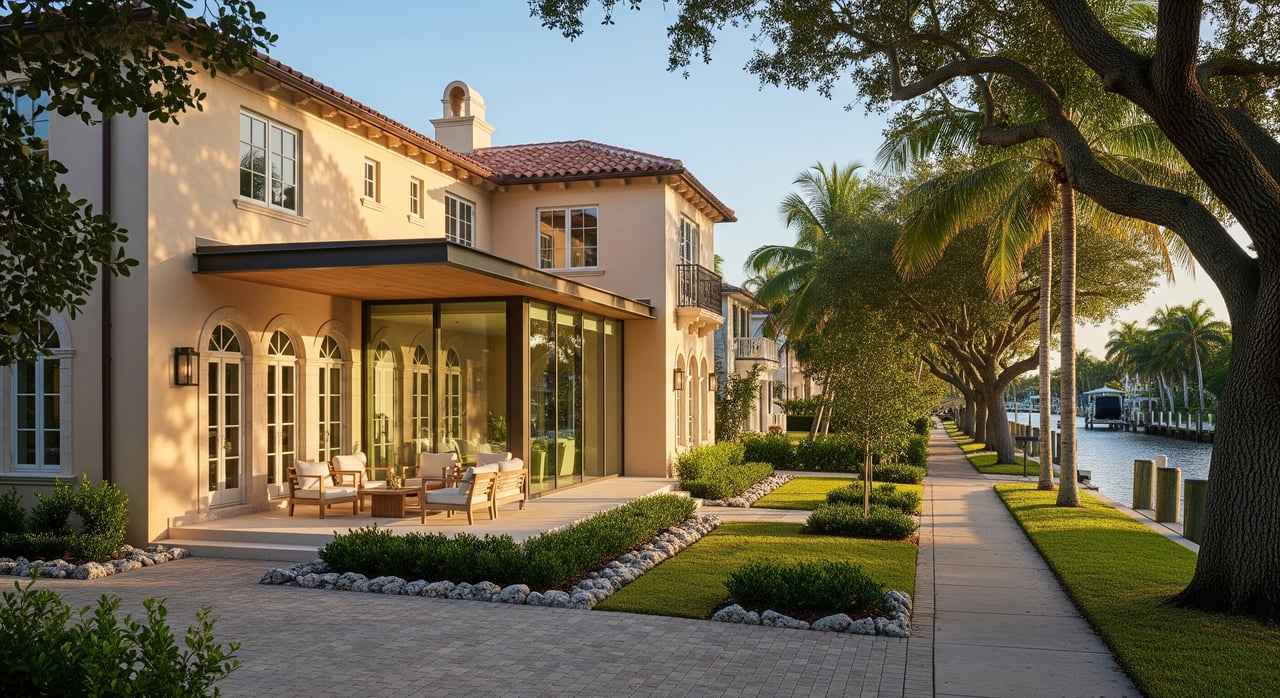
What if your morning coffee, evening dinner, and weekend arts stroll were all a short walk from home? If you’re drawn to Fort Lauderdale’s coastal energy but want a quiet, leafy block, Victoria Park may check every box. In this guide, you’ll see how the neighborhood’s architecture, lifestyle, and location come together, plus what to watch for when you shop. Let’s dive in.
Location and quick feel
Victoria Park sits in east Fort Lauderdale, close to Las Olas Boulevard, the New River, and the downtown core. You can walk to restaurants, galleries, and services, or make a quick drive to the beach and marinas on the Intracoastal. That proximity is the neighborhood’s defining advantage.
On the ground, you’ll notice tree-lined streets, sidewalks, and a calm, human scale. It feels urban and residential at the same time, with easy access to culture and dining without living in a high-rise.
Nearby comparisons
Buyers often compare Victoria Park to Rio Vista, Sailboat Bend, and the Las Olas Isles corridors. Each has its own look and price profile, but all share convenience to downtown and waterways. Victoria Park tends to offer a broader mix of home styles on walkable blocks.
If you want official context, review recognized boundaries and maps through Fort Lauderdale city planning resources and Broward County GIS.
Architecture and home styles
Historic charm
You’ll find early to mid-20th century cottages and bungalows with Mediterranean and Spanish Revival influences. Some homes show Art Deco or mid-century details that were retained in updates. These properties often feature smaller footprints, front porches, and period accents.
Mid-century and postwar
There is a solid base of mid-century single-story or two-story homes on small to medium lots. These homes often appeal to buyers who want a manageable footprint and the chance to renovate at their pace. Many still carry original systems, so updates are common.
Modern new builds
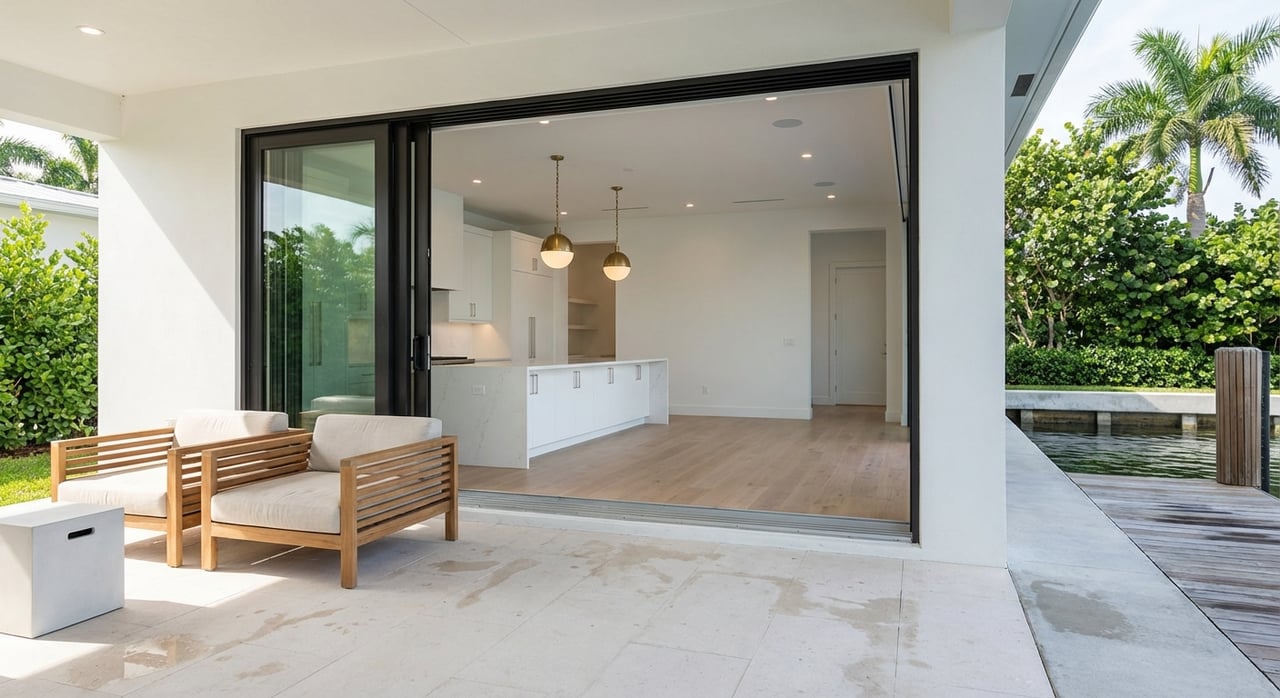
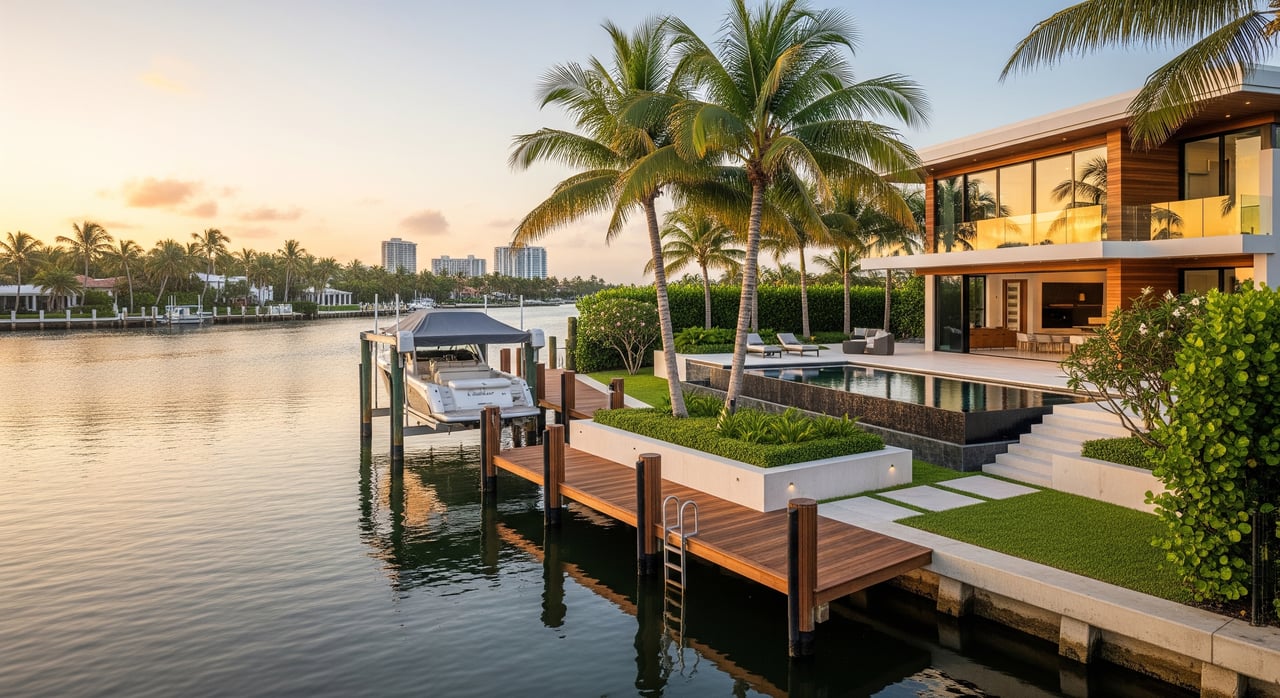
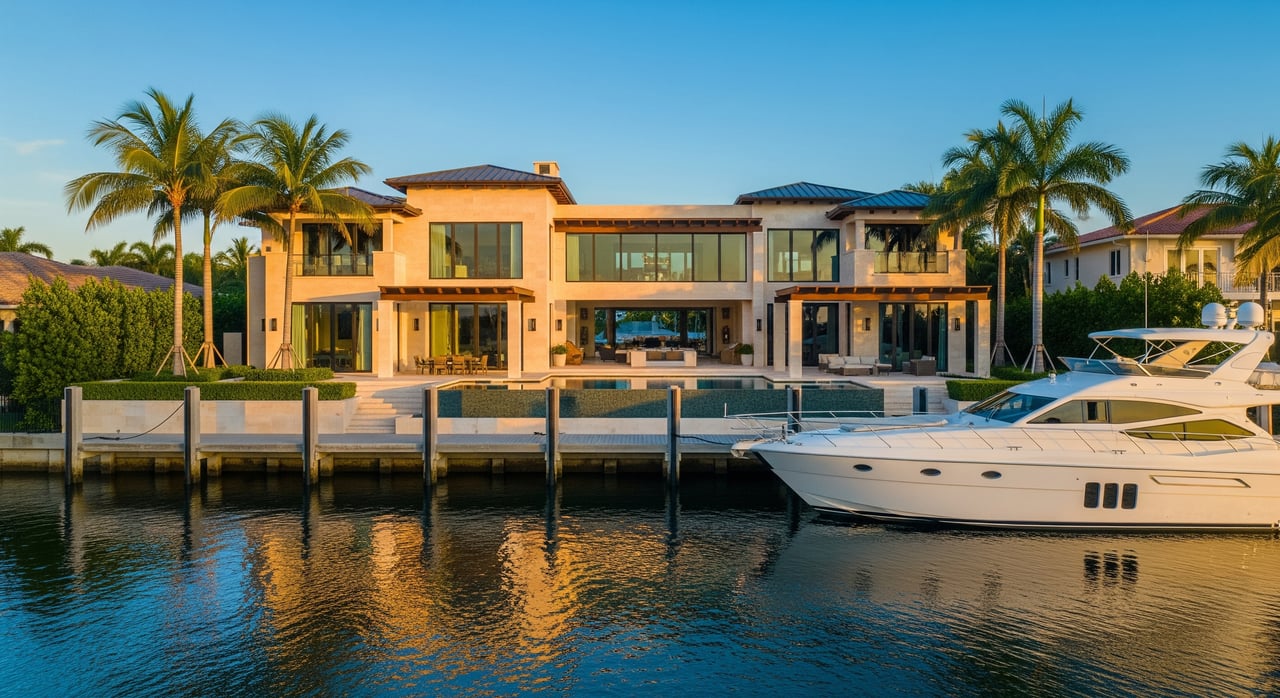
New construction appears as infill on tear-down lots. You’ll see two-story contemporary designs with open plans, glass, clean lines, and indoor-outdoor living. Many include 3 to 4 bedrooms, attached garages, pools, and elevated floor plates where required for flood resilience.
Multifamily pockets
While single-family homes set the tone on many blocks, you will also find scattered low-rise condos, duplexes, and quadplexes. These add variety and options for different budgets and lifestyles.
Lots and footprints
Lots feel urban-suburban in scale with sidewalks and street trees. Older homes may sit closer to the street, while newer builds often maximize lot coverage within current code. Expect smaller yards than large suburban subdivisions elsewhere in Broward.
Streetscape and daily life
Walk-to-Las Olas rhythm
A typical day might start with a coffee and a quick walk to Las Olas, a midday dog loop through shaded streets, and dinner on a patio by the river. This easy rhythm is a big reason buyers choose Victoria Park. You get a walkable routine with downtown energy nearby.
Parks and green space
The neighborhood’s tree canopy and sidewalks make it inviting for everyday walks. You’ll also have access to small parks and green pockets within the neighborhood. On weekends, many residents head to the Riverwalk for waterfront paths and arts events.
Beach and boating access
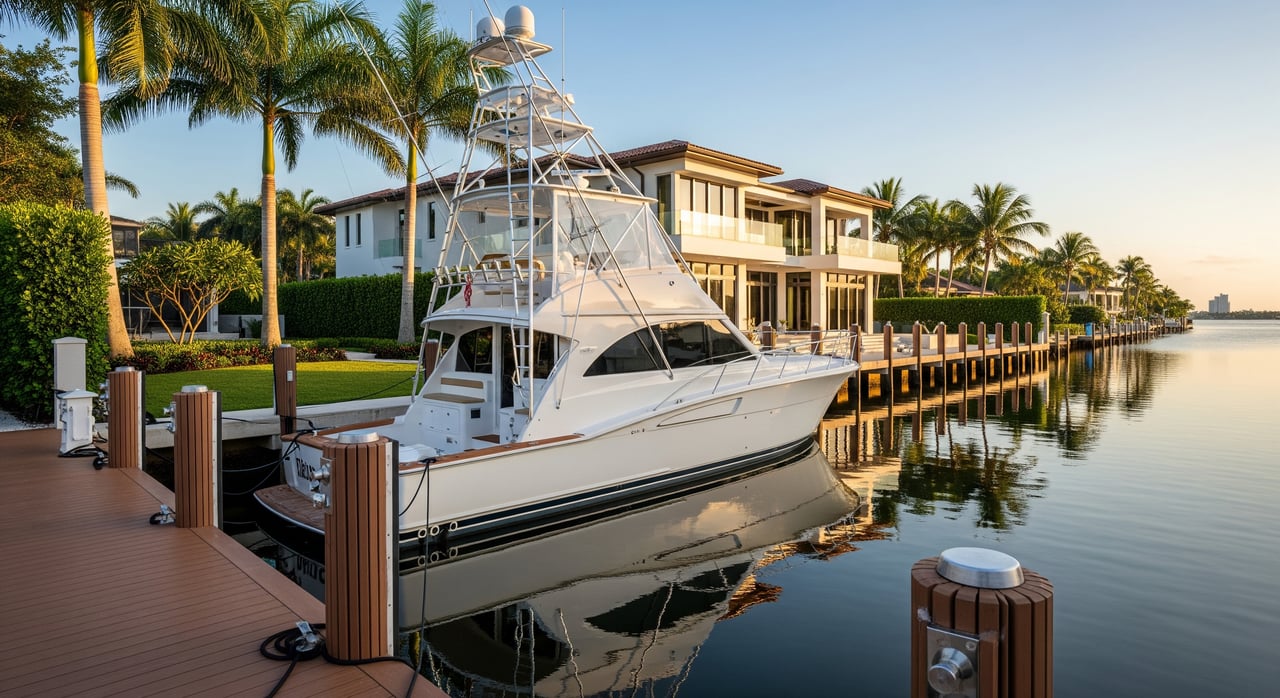
The ocean and marinas on the Intracoastal are minutes by car. Many residents keep boats in nearby facilities, then return to quiet streets at home. It’s an ideal setup if you want boating and beach time without living on a busy waterfront strip.
Local retail and services
Independent cafes, restaurants, and specialty shops cluster along nearby Las Olas Boulevard. Conventional grocery and service options are a short drive or quick bike ride. You can live daily life at a relaxed, neighborhood pace.
Getting around
Walkability is a major plus, and short bike rides are common. Most households still keep a car for regional trips. You have quick access to Sunrise Boulevard, Federal Highway, and I-95 for commuting, and Fort Lauderdale-Hollywood International Airport is conveniently close for travel.
Noise and activity
Blocks near Las Olas and downtown corridors can see more nightlife and event traffic. Interior streets tend to be quieter and more residential. Noise and activity can vary block by block, so it pays to visit at different times of day.
What to look for in a home
Age and system updates
Check the age of the roof, electrical panels, plumbing, and HVAC. Many pre-1980 homes benefit from upgraded electrical capacity and modern HVAC. Ask for permits and documentation on recent work.
Flood zone and elevation
Parts of east Fort Lauderdale sit in FEMA-designated flood zones. Verify a property’s flood zone and elevation, and review mitigation features like elevated floor plates and proper drainage. You can confirm designations through the FEMA Flood Map Service Center.
Historic designation
Some homes carry historic status that can limit exterior changes. If you plan to renovate, research whether the property is designated and what that means for alterations. City planning and the neighborhood association can help with context.
Zoning and expansion
Before you plan additions, check setbacks, lot coverage, and allowable height. Fort Lauderdale’s permitting and coastal codes set important boundaries. Start with Fort Lauderdale city planning resources and Broward County resources for rules and guidance.
Inspection priorities
- Flood elevation, drainage patterns, and slab condition
- Roof age and hurricane readiness, including impact windows and doors
- Electrical service capacity and panel condition
- HVAC age and performance
- Termite, pest, and moisture signs common in South Florida
- Pool equipment and outdoor living systems
Renovate or build new
Renovating a character home
Renovation preserves neighborhood charm and can be cost-effective when systems are solid. You retain period details and adapt the plan to your lifestyle. Plan for possible upgrades like electrical capacity, hurricane protection, and efficient HVAC.
Building new on a tear-down lot
New construction delivers modern amenities, energy efficiency, and a clean design slate. It often commands a higher price point per square foot. Factor in permitting time, construction noise, and neighbor coordination, then enjoy a turnkey result on move-in.
Market dynamics at a glance
Victoria Park is viewed as a premium, close-in neighborhood because of its location and character. Prices range from modest renovated cottages up to seven-figure homes for larger footprints and newer builds. Inventory can move quickly, especially for turnkey properties.
Demand is driven by walkability to Las Olas and downtown, limited infill lots, and interest in both historic charm and new luxury. If you are comparing options, track active inventory, days on market, and price per square foot with your agent’s MLS data. For published numbers, be sure to rely on the most recent verified sales records.
Choosing your block
Block-level differences matter. Edges closer to Las Olas feel more active, especially on weekends and during events. Interior streets are typically quieter and more residential. Visit in the morning, afternoon, and evening to assess light, parking, traffic, and noise.
Two buyer paths to consider
The historic-home seeker
You appreciate original details and a walkable location. You are comfortable with phased updates, and you want to shape the home over time. Your trade-offs include possible system upgrades and careful planning for permitted changes.
The new-build buyer
You want modern design, impact-rated features, and a turnkey experience. You prefer clean finishes, open plans, and a pool ready on day one. Your trade-offs include a higher purchase price and the scale of new construction relative to older homes nearby.
Costs beyond the purchase price
- Flood insurance may be required depending on your lender and flood zone. Verify details through the FEMA Flood Map Service Center and your insurance advisor.
- Property taxes follow Broward County assessments. Review current assessments and any municipal fees through Broward County resources.
- Older homes may require lender-requested updates, especially for certain loan types. Plan for roof condition, electrical panels, and plumbing.
Helpful resources
- Check neighborhood planning, zoning, and permitting via Fort Lauderdale city planning resources.
- Confirm tax, GIS, and county services through Broward County resources.
- Review flood zones and elevation at the FEMA Flood Map Service Center.
- Get a general sense of walkability from Walk Score.
- Look up school assignment information with Broward County Public Schools.
Ready to explore Victoria Park on foot and see how each block feels? If you want discreet guidance, curated listings, and local insight from a team that pairs boutique service with broad marketing reach, connect with Barry Levinson. Get access to private opportunities and a clear plan for your next move.
FAQs
How close is Victoria Park to Las Olas and the beach?
- You can walk to Las Olas and downtown from many blocks, and beach and marina access are only a short drive away.
What types of homes are in Victoria Park?
- You’ll find historic cottages and bungalows, mid-century homes, and newer contemporary infill builds, plus scattered low-rise condos and duplexes.
Do I need flood insurance in Victoria Park?
- Many properties are in FEMA-designated flood zones; verify your specific address and elevation, then confirm lender requirements for coverage.
Are some blocks noisier than others?
- Yes; blocks near Las Olas and downtown corridors can feel more active, while interior streets are typically quieter and more residential.
Should I buy a renovated bungalow or a new build?
- It depends on your budget, timeline, and preferences for charm versus turnkey convenience; weigh renovation upgrades against new-construction premiums.