Thinking about selling your Fort Lauderdale home without going fully public? You are not alone. Many waterfront and luxury sellers want privacy, timing control, and the right buyers without the buzz of the open market. In this guide, you will learn how Compass Private Exclusives works, when it makes sense in Broward County, the tradeoffs to consider, and the questions to ask before you choose a discreet listing path. Let’s dive in.
What is a Private Exclusive?
A Private Exclusive is a listing that stays off the public MLS while your agent markets it through a curated, broker-controlled network. With Compass Private Exclusives, your home can reach qualified buyers through Compass tools and agent relationships while keeping public advertising limited or paused. Photos, address, and details can be shared only with vetted prospects.
This approach is different from informal “pocket listings.” A Private Exclusive is structured, documented, and supported by systems that help manage access, showings, and feedback. It gives you privacy and control, with the option to move to the MLS later if that fits your goals.
Why it fits Fort Lauderdale
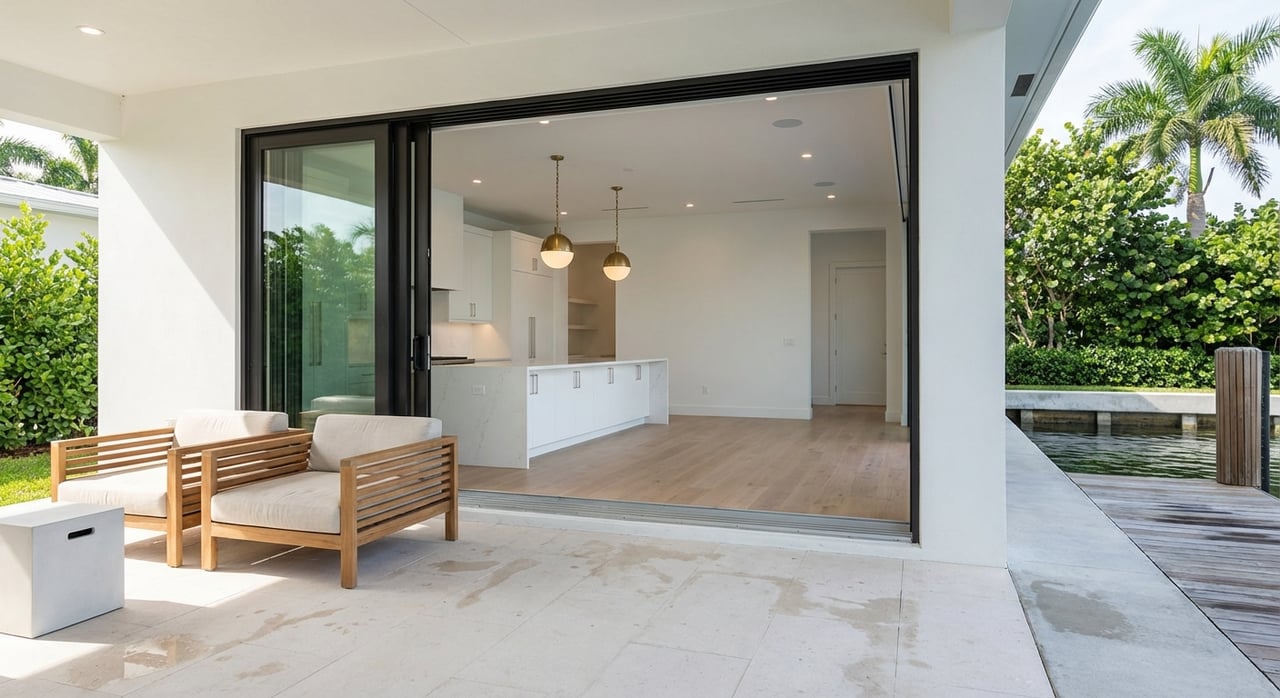
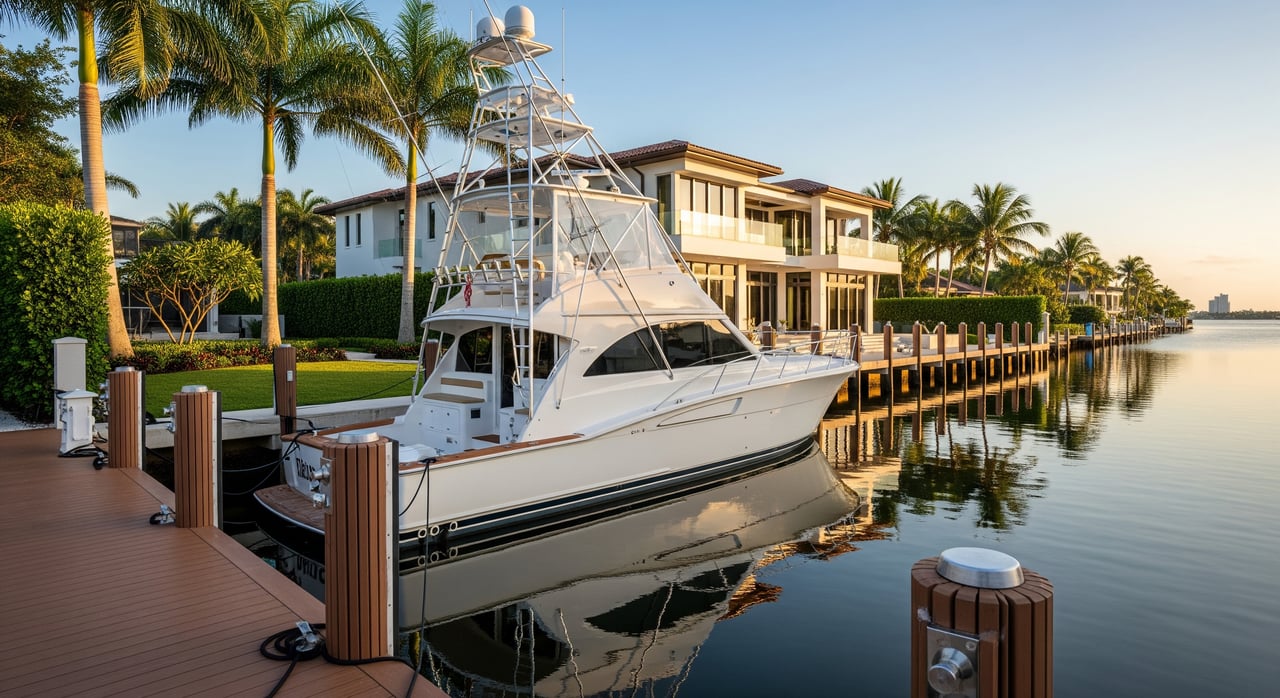
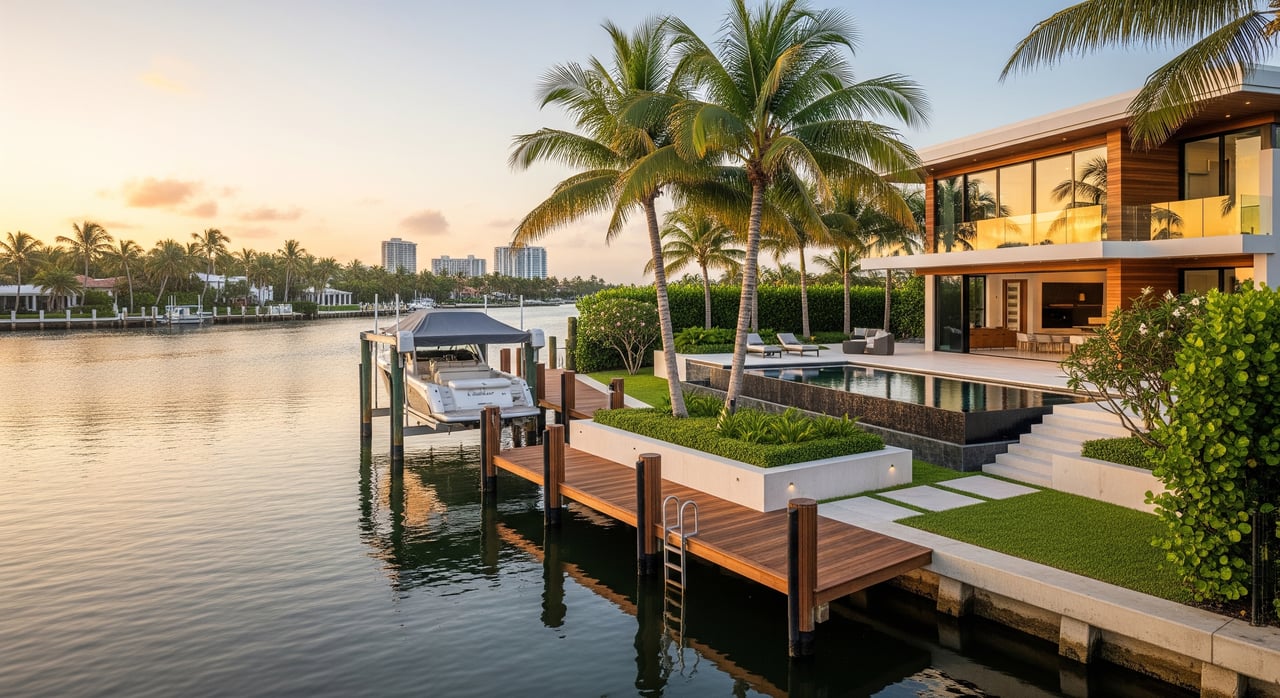
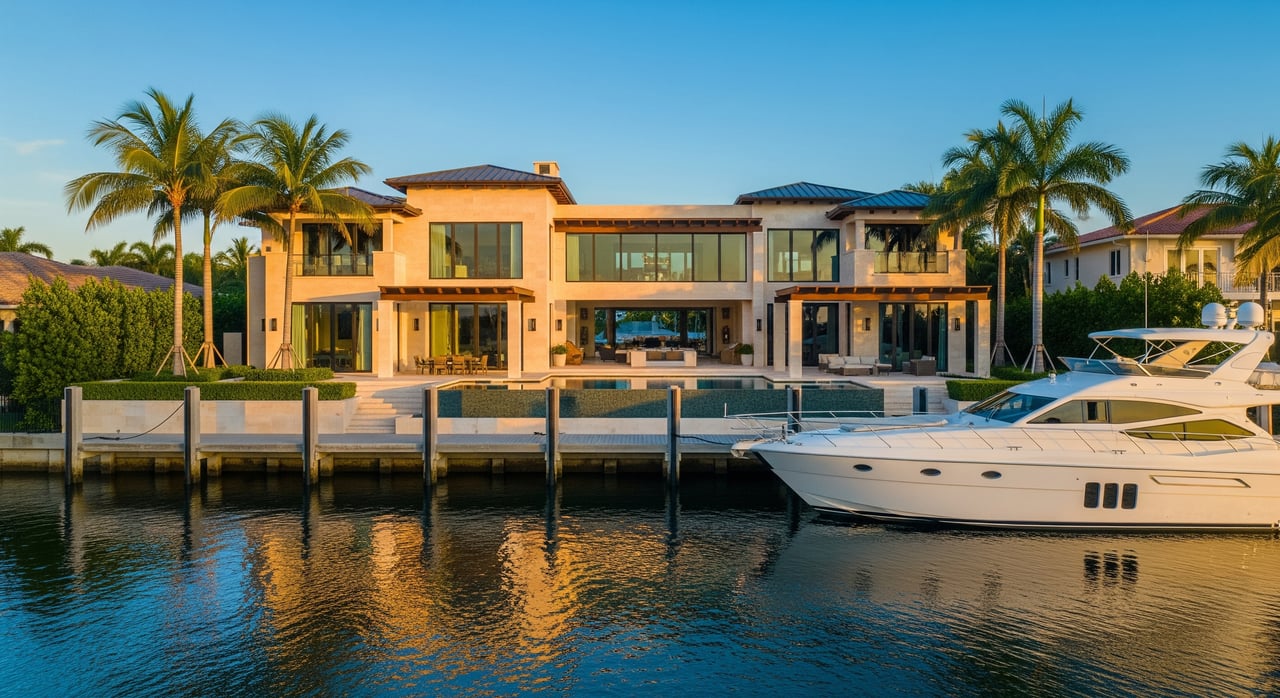
Fort Lauderdale’s luxury market includes oceanfront condos, Intracoastal estates with dockage, and high-rise residences with resort amenities. Many buyers are seasonal or international, and many sellers value discretion. In the right situations, a Private Exclusive can reach serious buyers while protecting your privacy and daily routine.
At the same time, market dynamics matter. In low-inventory segments, full MLS exposure can spark more competition and higher offers. In quieter segments, you may need broad exposure to find the right match. The best path depends on your property type, timing, and priorities.
When a discreet sale makes sense
Consider a Private Exclusive if you want to:
- Maintain privacy during a life event or sensitive transition.
- Limit showings to serious, vetted buyers.
- Test pricing and presentation with selective feedback.
- Market a high-value or unique property to a targeted buyer pool.
In Fort Lauderdale, this can include luxury waterfront estates, trophy condos with premium amenities, and homes where owner identity or security is a concern. Entry-level or mid-market homes often benefit from the visibility of the MLS, so weigh the tradeoffs carefully.
How the process works
While specifics live in your listing agreement, the typical flow looks like this:
- Strategy and authorization. You and your agent agree in writing to market the home privately, including duration, showing rules, and how offers will be handled.
- Curated exposure. Your agent shares the property with vetted buyers and trusted agents. Marketing may include private flyers, invitation-only tours, and secure sharing of photos and details.
- Buyer vetting. Prospects are qualified first. This can include proof of funds or pre-approval and, when appropriate, confidentiality agreements.
- Feedback and pricing. Your agent reports on interest, showings, and offers so you can assess next steps.
- Next-phase decision. You can accept a private offer or move to the MLS if broader exposure is the better path.
Legal and MLS essentials in Florida
- Written consent. Florida brokers owe fiduciary duties. You should authorize an off-market strategy in writing and understand the tradeoffs.
- Disclosure still applies. Known material facts must be disclosed whether the sale is public or private.
- Compensation transparency. Ask how buyer-agent compensation will be communicated, how offers are presented, and whether terms are negotiable.
- MLS rules. Local MLS and association policies govern when listings must be entered and how long a home can remain off market. Rules vary, so confirm specifics with your agent and, if needed, a real estate attorney.
- Fair housing. Private listings must not be used to exclude any protected class. Your marketing plan should remain compliant and neutral.
Pros and cons
Here is a quick look at how Private Exclusives compare with an open MLS listing.
| Factor | Private Exclusive | Open MLS |
|---|---|---|
| Privacy | High, limited public exposure | Low, broad public exposure |
| Buyer pool | Curated, smaller group | Broadest reach to all buyers |
| Showings | Limited, by invitation | Higher volume, more flexible |
| Pricing feedback | Selective, slower | Wider, faster market feedback |
| Competition | Lower on average | Often higher, can drive bids |
| Control | High control of process | Moderate control |
| Timing | Flexible, phased rollout | Faster and more public |
No single path is best for every property. Work with your agent to model your likely net proceeds under both options so you can choose with confidence.
Seller checklist
Use this list to pressure-test a private sale plan:
- Confirm written authorization and the private-marketing timeline in your listing agreement.
- Define a clear decision point to go public if needed, often 10 to 30 days.
- Require buyer vetting, including proof of funds or pre-approval and confidentiality when appropriate.
- Decide how buyer-agent compensation will be handled and communicated.
- Set showing rules, access protocols, and privacy controls for photos and address.
- Request regular reporting on inquiries, showings, and offers.
- Compare expected net proceeds for Private Exclusive vs MLS scenarios.
Buyer guidance for private listings
If you want access to off-market opportunities, be ready to move efficiently:
- Have proof of funds or a lender pre-approval ready.
- Clarify commission arrangements with your buyer’s agent before touring.
- Ask for the same disclosures and inspection rights you would expect in an MLS sale.
- Use recent comparable sales, title checks, and inspection results to support your offer.
How to decide: private or MLS
Ask yourself these questions:
- Is privacy a top priority for my family and lifestyle right now?
- Will a curated buyer pool likely include the best-fit purchasers for my home?
- Do I have a compelling reason to limit showings and public visibility?
- Would broader exposure likely increase competition and price for my property type?
Your answers will point toward either a phased private-first plan or a direct-to-MLS launch. Many Fort Lauderdale sellers start privately for a set window, then pivot to the MLS if target results are not met.
Local context that matters
- Property type. Luxury waterfront estates, deepwater dock homes, and top-tier oceanfront condos often have focused buyer pools and stronger privacy needs.
- Buyer mix. Fort Lauderdale attracts seasonal and international buyers who value discretion and secure access to information.
- Market pulse. Inventory, days on market, and price trends shift by building and neighborhood. Reviewing current data for your micro-market helps set the right strategy and price range.
Work with a discreet local advisor
You deserve an approach that protects your privacy and maximizes your outcome. Levinson Luxury Group blends boutique, white-glove service with Compass’s Private Exclusives platform, pairing deep neighborhood expertise with curated exposure to serious buyers. Whether you own in Harbor Beach, Rio Vista, Las Olas Isles, or a premier oceanfront tower, our process is designed to meet you where you are.
Ready to explore a private sale, or want access to select off-market inventory? Connect with Barry Levinson to discuss your goals. Get Access To Our Private Listings.
FAQs
What is Compass Private Exclusives in Fort Lauderdale?
- It is a structured off-market listing option where your home stays off the public MLS and is shared through Compass’s network with vetted buyers and agents for added privacy.
Who should consider a private listing in Broward County?
- Sellers of high-value or privacy-sensitive homes, such as waterfront estates and luxury condos, or anyone needing limited showings and a controlled marketing process.
How long can my home stay private before going to the MLS?
- The timeline is set in your listing agreement and must align with local MLS rules, so confirm specifics with your agent before you begin.
How are buyer agents compensated in a private sale?
- Your listing agreement should state how buyer-agent compensation is offered and communicated, and whether terms are negotiable for qualified buyers.
Do disclosure laws still apply in a private sale?
- Yes. Florida law requires disclosure of known material facts to buyers in both private and public sales, and fair housing rules still apply.