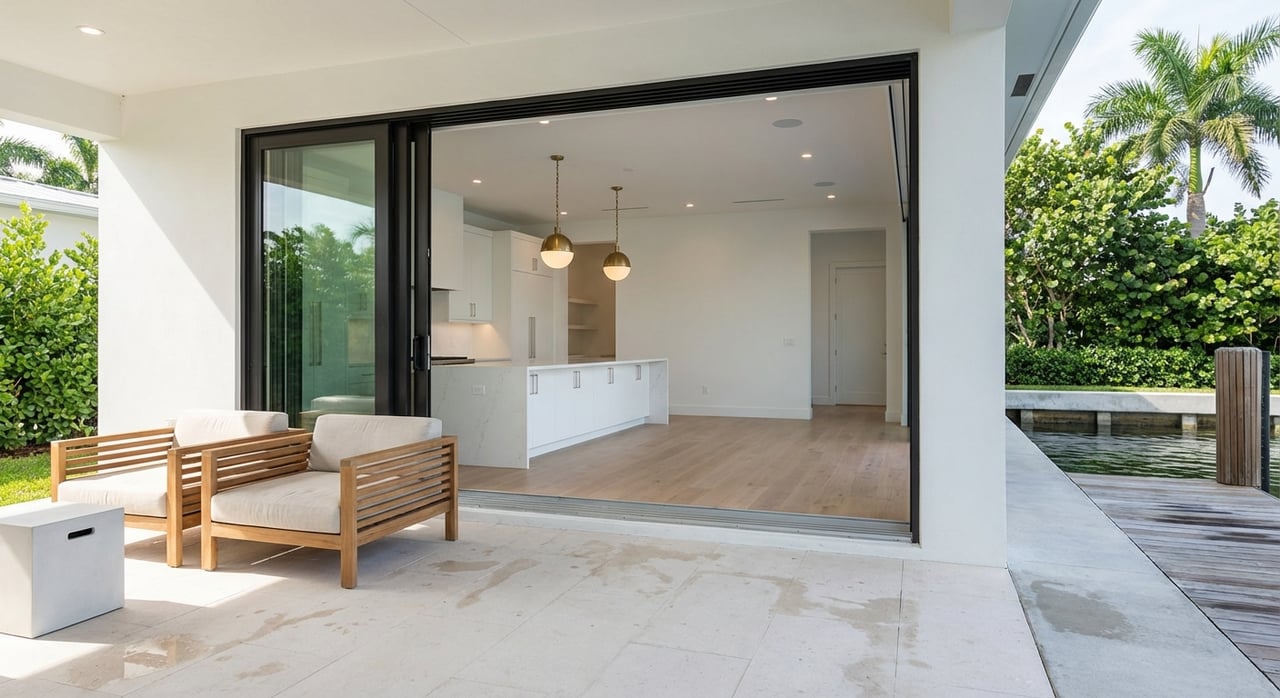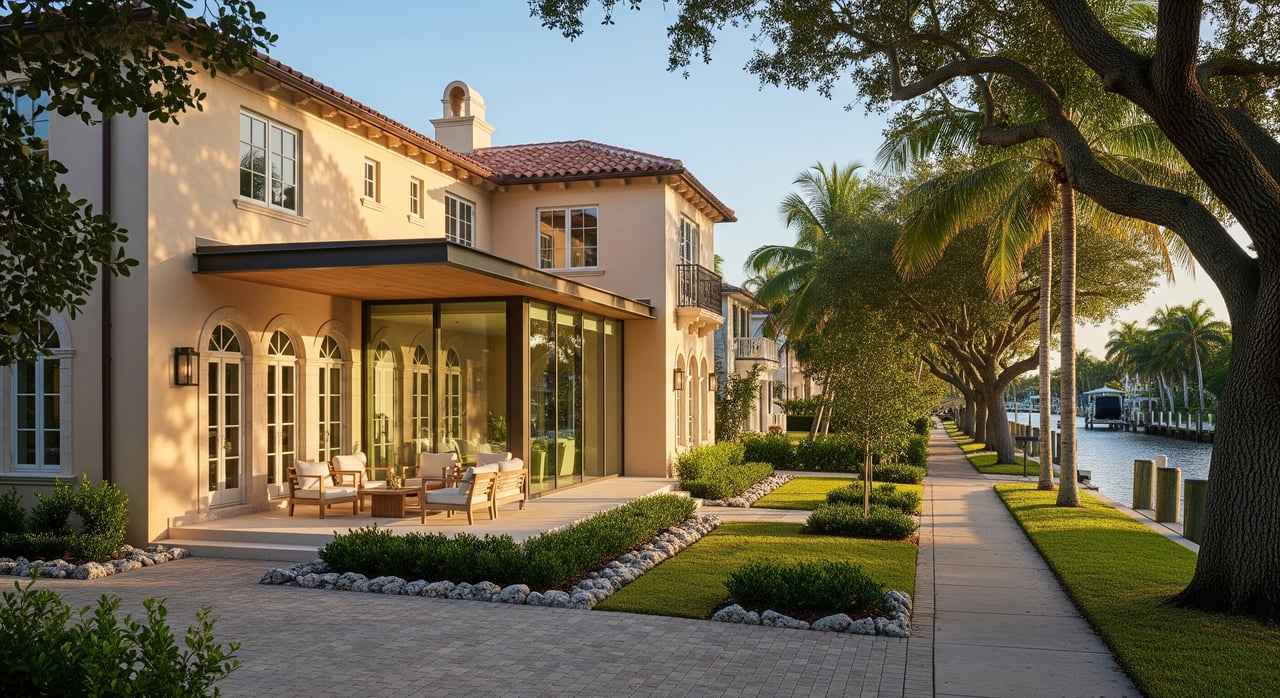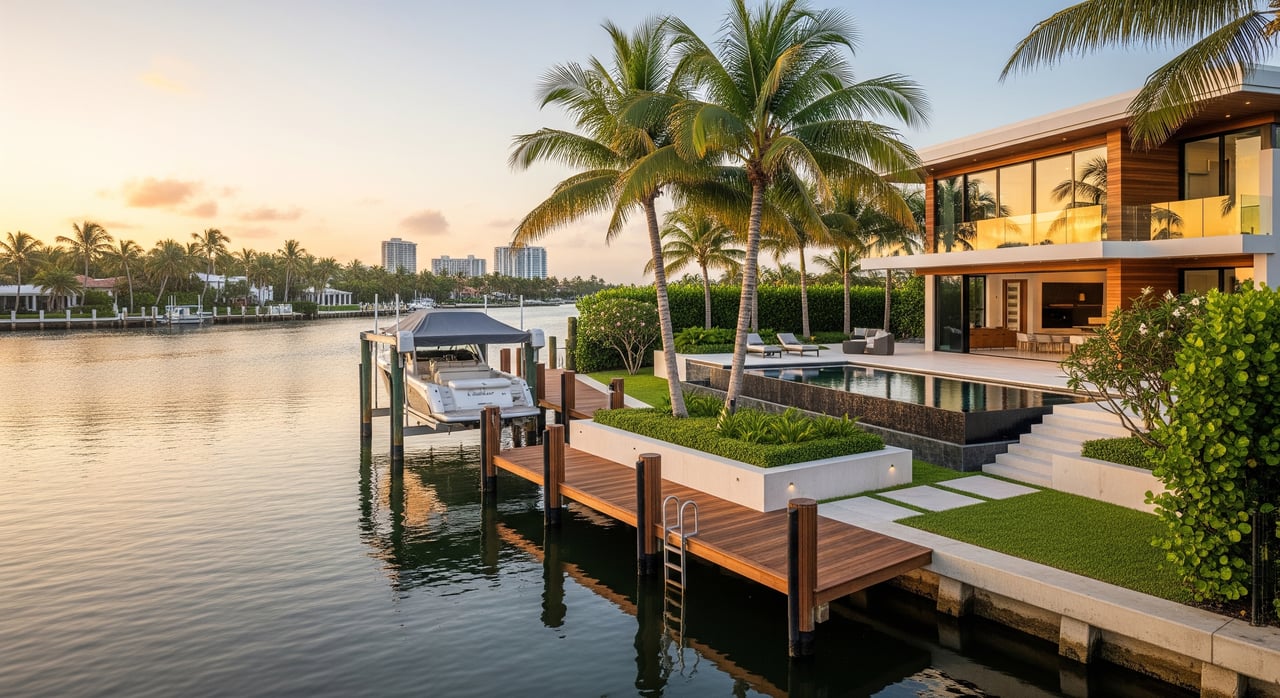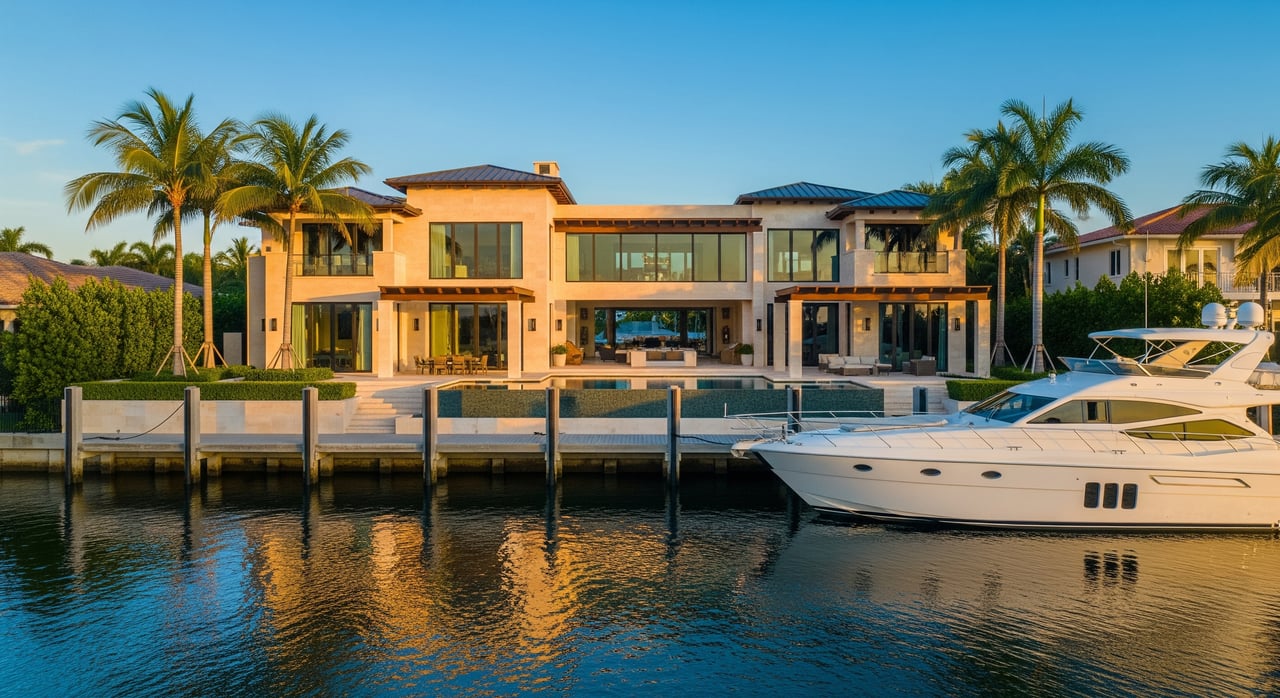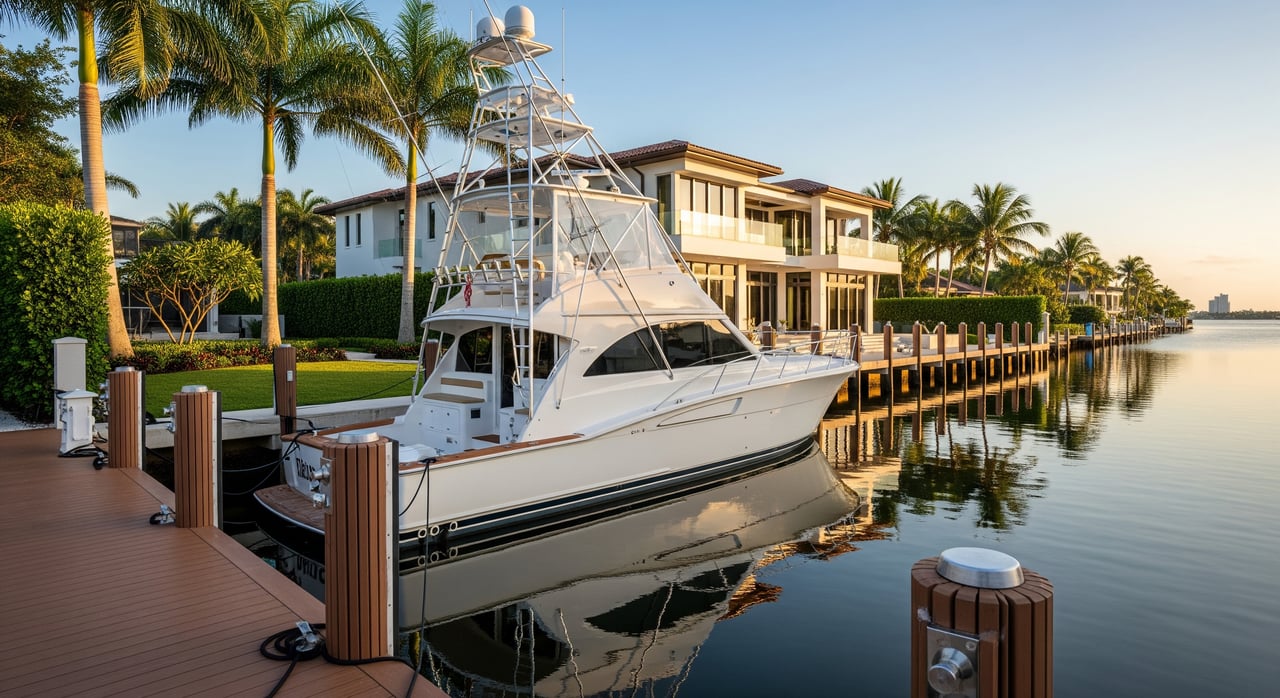
If you live to be on the water, Rio Vista puts you close to everything that matters. You get private docks on quiet residential canals with quick runs to the New River, the Intracoastal, and the Atlantic through Port Everglades. The result is simple: more time cruising and less time commuting.
This guide gives you a boater’s view of Rio Vista in Fort Lauderdale. You’ll learn how the canals connect, what to verify for bridges and depths, what to know about docks and seawalls, and how to plan for permits, insurance, and storms. You’ll also get a practical checklist for due diligence. Let’s dive in.
Why Rio Vista works for serious boaters
Rio Vista is a long-established waterfront neighborhood within the city of Fort Lauderdale, Broward County, in the Fort Lauderdale–Pompano Beach–Deerfield Beach metro area. Streets are primarily single-family homes, many with private docks along man-made canals and natural channels that tie into the New River and the Intracoastal Waterway. You are adjacent to downtown and the Las Olas corridor, so dining and services are close by.
For boaters, the appeal is access. Canals connect quickly to the New River and the Intracoastal, giving you a direct route to Port Everglades and the Atlantic. You do not need to trailer the boat for ocean days, and you can reach fuel, service, and haul-out options within short runs. The neighborhood feels residential and quiet, so you enjoy a private-dock lifestyle without the bustle of large marina basins.
Know your route: bridges and depths
Every vessel and every canal is different. Your operating plan should be based on measured facts for your specific route to the ocean.
Bridge clearances and openings
Routes from Rio Vista involve a mix of fixed and movable bridges. If your vessel has notable air draft, confirm vertical clearances and opening schedules before you buy. Rely on primary sources rather than hearsay:
- Review clearances and any recent changes in the U.S. Coast Guard Local Notice to Mariners. Select the applicable district and check the most recent notices before you survey.
- Compare your route and air draft against charted data in NOAA nautical charts for Fort Lauderdale.
- For state-maintained structures, confirm current details with FDOT bridge information and published schedules, then verify on the water.
Practical tip: Map your likely route at average low tide, note each bridge by name, and keep a written clearance plan on board.
Channel depths, tides, and shoaling
Depths vary by canal and by season. The maintained New River and Intracoastal channels are deeper than many inner canals, and some pockets can shoal. Do not assume a draft will work just because a neighbor’s boat looks similar.
- Check charted depths and obstructions in the NOAA chart viewer, then verify with local soundings.
- Review recent dredging or maintenance advisories through US Army Corps of Engineers navigation notices.
- Ask sellers for measured depths at mean low tide at the end of the dock, not just mid-canal.
Marine services at your doorstep
Fort Lauderdale is a global boating hub. From Rio Vista, you are minutes by water to major facilities, including:
- Lauderdale Marine Center for haul-outs, repair, refit, and project management for a wide range of vessels.
- Downtown and Las Olas marinas for guest dockage, fuel, and chandlery access. Availability and waitlists vary by season, so call ahead.
This proximity matters when you plan big maintenance, hurricane haul-outs, and longer-term refits. Many owners keep routine service mobile at the house and use nearby yards for heavy work.
Docks, seawalls, and permits
Most Rio Vista waterfront lots have concrete seawalls with fixed or floating docks. Many properties feature updated pilings, electric lifts, shore power, and water hookups to accommodate modern beam and weight. Still, condition and capacity are property-specific.
- Commission a dock and seawall inspection. Seawalls have finite service lives and replacement is a major cost. Lenders and insurers often ask for documentation.
- Confirm who owns and maintains the dock and seawall. Some parcels include shared structures or recorded easements. Your title review should capture riparian rights and maintenance obligations.
Permitting is regulated at several levels. Dock or seawall work typically requires approvals from the City of Fort Lauderdale, Broward County, and the State of Florida, depending on scope.
- Start with the City’s Building Services and the Marine Facilities pages for local rules and permit history.
- Environmental approvals may involve the Florida Department of Environmental Protection for submerged lands and shoreline work.
- Keep records of all permits, surveys, and contractor licenses. These documents help with resale, refinancing, and insurance.
Insurance and storm planning
Waterfront property often falls within FEMA flood zones such as AE or VE. If you finance, flood coverage may be required.
- Confirm the current FEMA zone using the FEMA Flood Map Service Center. Ask for an elevation certificate to refine underwriting.
- Budget for windstorm coverage and separate hull insurance for your vessel. Premiums depend on elevation, flood zone, mitigation features, and the robustness of your dock and lift.
- Create a hurricane plan in advance. Options include leaving the boat on a high-capacity lift with proper lines and chafe gear, moving to a protected marina basin, or hauling out at a yard like Lauderdale Marine Center. Seasonal contracts often fill well before a storm watch.
Property tiers and buyer fit
Rio Vista offers a spectrum of waterfront homes that appeal to different boating profiles:
- Entry or value tier. Smaller, older canal-front homes with modest docks. These can be smart buys if you plan to upgrade docks, lifts, or seawalls to match your vessel.
- Mid-range or updated. Renovated homes with improved dockage and modern seawalls that fit many recreational powerboats and some sailing vessels.
- Luxury or deepwater. New builds or full rebuilds with heavy-duty pilings, larger slips, and systems for bigger yachts. Final capability depends on the specific canal, draft, and bridge route.
Pricing is hyper-local and changes with market flow, frontage, and dock improvements. For current value bands, review closed sales and parcel data through the Broward County Property Appraiser and have your agent analyze recent waterfront comps.
How to compare nearby options
You may also consider adjacent neighborhoods, each with its own dock profiles and canal characteristics. Las Olas Isles, Seven Isles, Harbor Beach, Sunrise Intracoastal, and Lauderdale Isles are common comparisons. When you evaluate, focus on:
- Dock length, water frontage, and lift capacity relative to your boat’s beam, weight, and draft.
- Measured low-tide depths on your exact canal and route.
- Bridge constraints between your dock and the ocean.
- Proximity to haul-out and full-service yards.
- Insurance implications of the specific FEMA flood zone.
A serious boater’s due diligence checklist
Use this quick list to confirm facts early in your search:
- Verify legal dock ownership and any easements in the deed and title.
- Commission a marine survey or naval architect review for your boat’s length, beam, draft, and air draft.
- Confirm low-tide depths from charts and on-site soundings, then match to your draft with a safety margin. Cross-check with NOAA nautical charts.
- Map bridge clearances and opening schedules on your exact route using the U.S. Coast Guard Local Notice to Mariners.
- Order a seawall and dock structural inspection, with replacement or upgrade cost estimates.
- Pull City and County permit history, and resolve any open violations through City Building Services.
- Confirm FEMA flood zone and request an elevation certificate through the FEMA Flood Map Service Center.
- Call service yards to confirm haul-out beam and length limits, plus project timelines. Start with Lauderdale Marine Center.
- Ask about historical shoaling or dredging needs on the specific canal. Check USACE navigation notices for recent work.
The bottom line for boaters
Rio Vista aligns with owners who want a private-dock lifestyle near downtown Fort Lauderdale, fast access to the New River and Intracoastal, and short runs to the Atlantic. The neighborhood’s strength is convenience plus proximity to serious marine infrastructure. Your success comes from due diligence: measure air draft and depth on your route, inspect the seawall and dock, confirm permits and insurance, and plan your hurricane strategy in advance.
If you want a trusted waterfront advisor who speaks “boating” and knows Rio Vista at the street and canal level, connect with Barry Levinson for discreet guidance, curated on and off-market options, and a clear plan to secure the right dock and the right home.
FAQs
How close is Rio Vista to the Atlantic Ocean by boat?
- Rio Vista canals connect quickly to the New River and Intracoastal, with a direct route to Port Everglades for Atlantic access. Actual run time depends on your canal, speed, and bridge openings.
How do I verify bridge clearances on my route from Rio Vista?
- Check vertical clearances and any work notices in the U.S. Coast Guard Local Notice to Mariners and confirm details against NOAA nautical charts.
Can my sailboat or tall sportfish get through the bridges?
- It depends on your air draft and the specific route. Measure mast or tower height carefully and compare to published clearances and opening schedules, then confirm on the water at favorable tide.
What inspections should I get for docks and seawalls in Rio Vista?
- Order a dedicated seawall and dock inspection, review City and County permit history, and get repair or replacement cost estimates before finalizing a purchase.
What flood insurance considerations apply to Rio Vista waterfront homes?
- Many parcels are in FEMA flood zones where coverage is required with a mortgage. Use the FEMA Flood Map Service Center and request an elevation certificate to refine quotes.
Where can I haul out a larger vessel near Rio Vista?
- Lauderdale Marine Center offers haul-out and refit services for a wide range of boats. Confirm beam, length, and travel-lift capacity in advance.
What permits are needed to upgrade a dock or seawall?
- Permits typically involve the City of Fort Lauderdale, Broward County environmental offices, and the Florida Department of Environmental Protection, depending on the scope. Verify requirements before you start design.