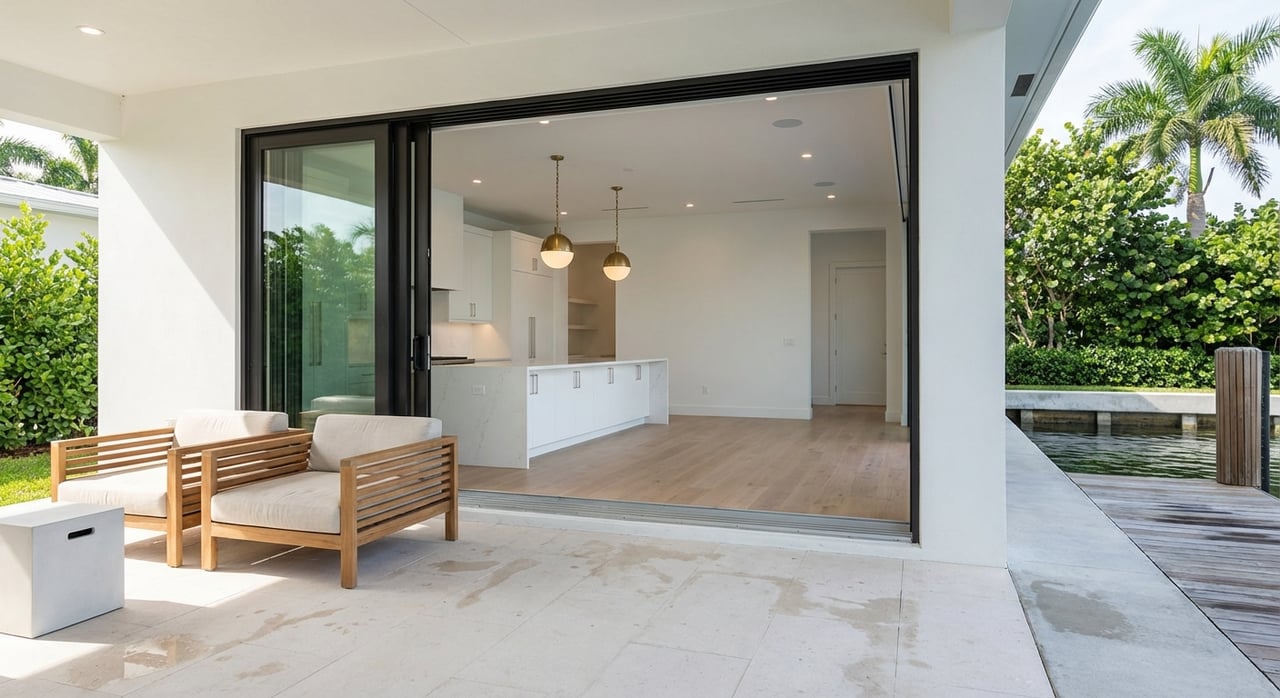
Thinking about selling in Coral Ridge Country Club Estates but unsure how today’s market will treat your home? You are not alone. The neighborhood spans everything from condos and dry-lot single-family homes to deep-water estates, so pricing, preparation, and presentation have a big impact on your bottom line. In this guide, you will learn what buyers want right now, how to prep waterfront versus interior homes, and how to position your property to sell with confidence. Let’s dive in.
Market snapshot today
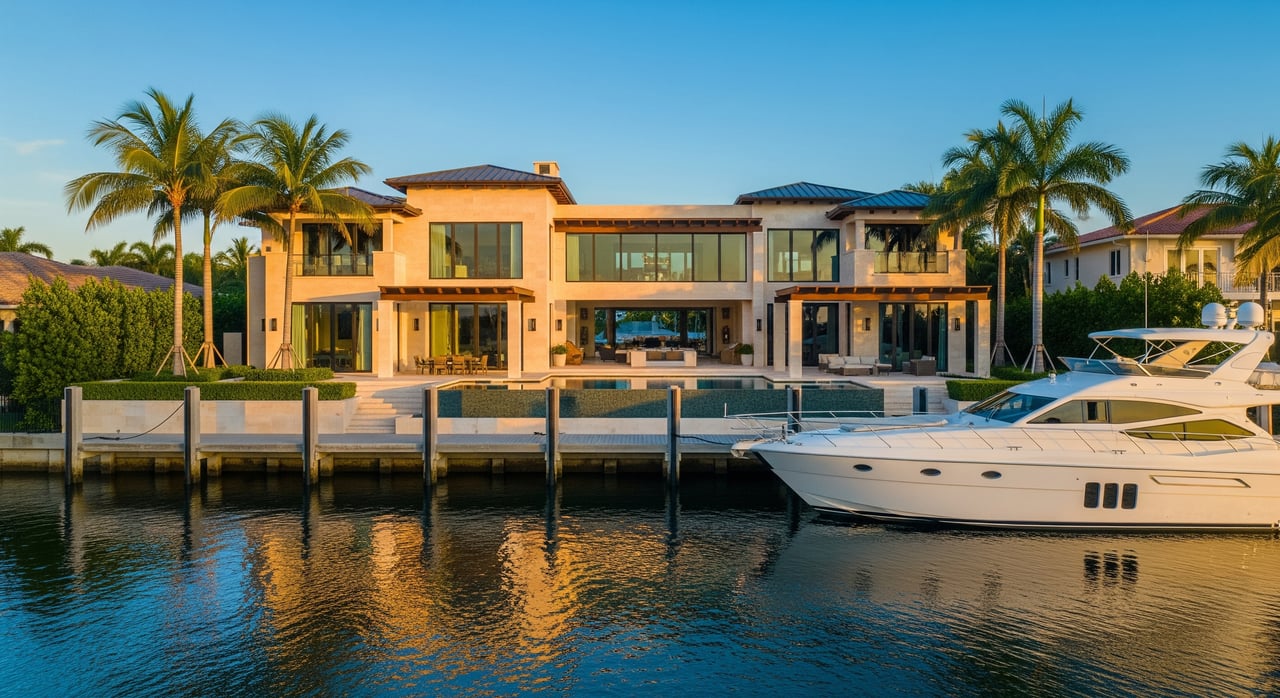
Coral Ridge Country Club Estates shows a split market. Recent neighborhood trackers report different medians because they mix condos with single-family homes and use different timeframes. In recent snapshots, medians are reported in the mid to high six figures and typical days on market often stretch near the 3 to 4 month range. For waterfront estates, the conversation is different. Recent local recaps commonly place single-family waterfront sales in the multi‑million range, often around the 3 to 4 million band.
Inventory sits higher than the very tight pandemic years. Sellers of over‑1 million dry‑lot homes often see a slower pace, while truly deep‑water, large‑dock properties still draw strong attention. The practical takeaway is simple. Separate comps by property type and water access before you choose a price.
Who is buying and why
Today’s buyer pool includes affluent relocators from high‑tax, high‑density metros, seasonal second‑home owners, local downsizers, and a meaningful international segment. The MIAMI Association of REALTORS reports that South Florida’s share of foreign buyers remains several times larger than the national figure, with Broward seeing steady international dollar activity and many cash purchases at the high end. See the latest international buyer trends.
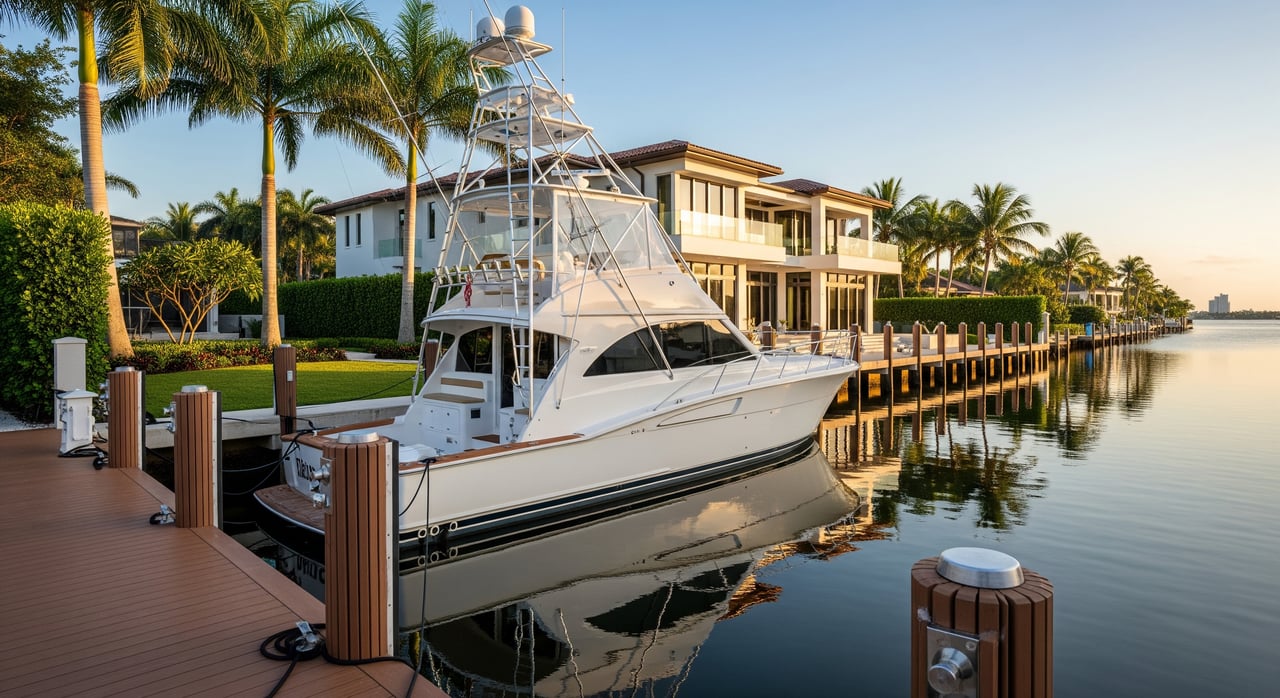
Yachting and boating drive demand for the neighborhood’s deep‑water parcels. Buyers with larger vessels judge homes on usable dockage, canal depth and width, bridge clearances, and minutes to the inlet. For these buyers, the marine facts can matter as much as your kitchen finishes.
What buyers prioritize now
Waterfront must‑haves
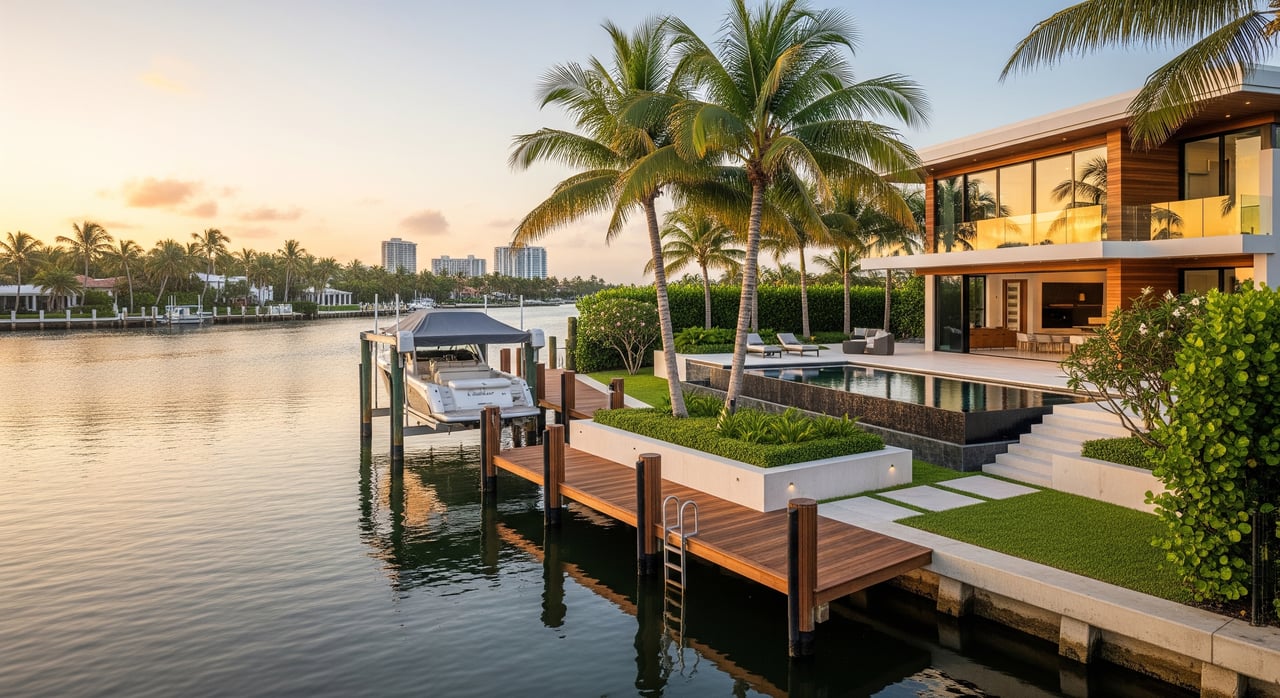
- Dock length, pilings, lift capacity, and documented seawall condition. Buyers and surveyors want permit records and recent inspections. The City’s checklist helps confirm what to gather. Review the Fort Lauderdale seawall and dock permitting checklist.
- Water depth and route to the ocean. Verify any “no fixed bridge” claim and note bridge clearances at mean high water if applicable.
- Permitting status and exemptions. Florida provides limited permit exemptions for certain small private docks when criteria are met. See Florida Statutes s.403.813 on permit exemptions.
High‑impact features for all homes
- Hurricane resilience: impact windows and doors, a strong wind‑mitigation report, and a whole‑house generator build buyer confidence and can affect insurability. See what buyers value in Florida in this Florida Realtors overview.
- Move‑in readiness and smart/energy upgrades: updated kitchens and baths, smart thermostats, and efficient systems remain top drivers of interest. National research highlights these trends in top buyer preferences.
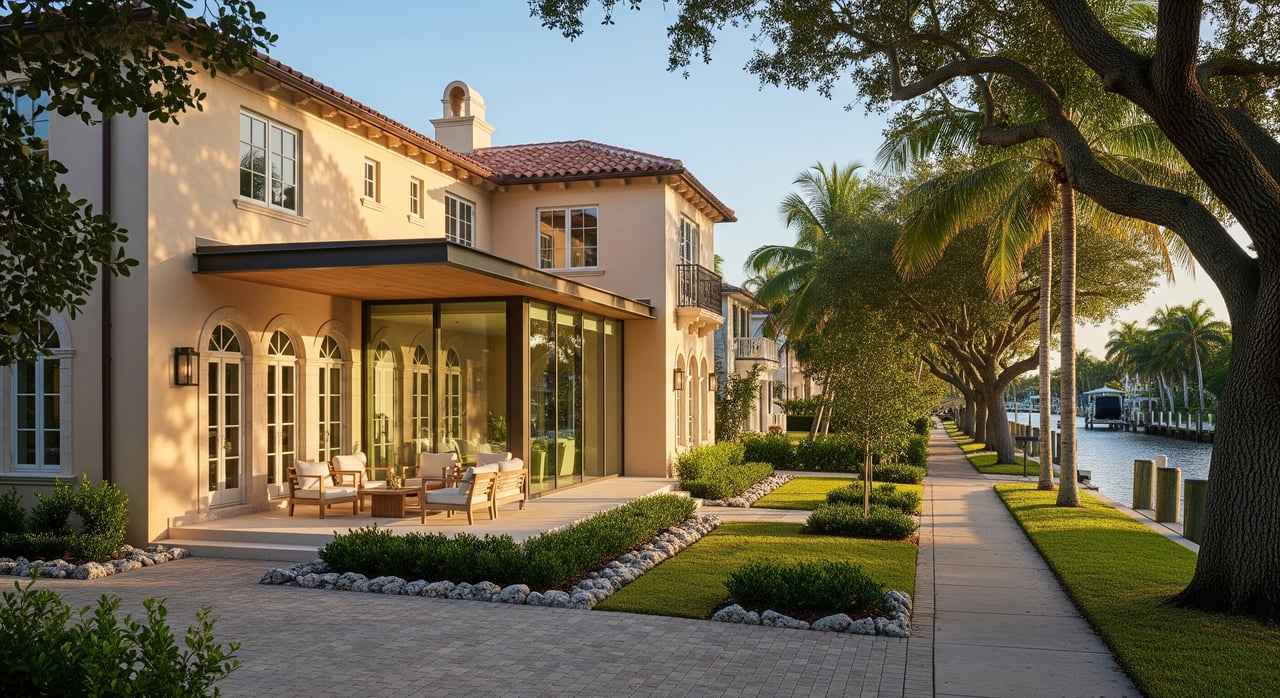
- Outdoor living: a well‑kept pool, clean coping and tile, safe equipment, shaded seating, and low‑maintenance landscaping can lift perceived value.
Prepare to list: waterfront vs dry‑lot
Waterfront prep checklist
Seawall and dock documentation. Order a recent inspection from a qualified marine contractor and assemble permits or written state/local exemptions. City checklists outline what buyers expect. Start with the Fort Lauderdale permitting checklist and confirm any applicable state exemptions.
Boat‑access fact sheet. Measure dock length, confirm lift capacity, note mean low‑water depth at the dock or controlling depth, list any fixed bridges with clearance at mean high water, and estimate minutes to the inlet. Include this one‑page sheet in your marketing and data room.
Corrosion and systems. Service the boat lift, check metal fasteners and exterior hardware, and gather pool equipment receipts. Salt air can age components faster near the water, so clean service records matter.
Ownership and permits. Confirm riparian rights, verify dock and seawall records with the City, and collect all permits and final inspections for past work.
Dry‑lot prep checklist
Pre‑listing inspection. A light check of roof age, HVAC, water heater, plumbing, and electric can reduce surprises and renegotiations during the inspection period.
Staging and minor updates. Neutral paint, decluttered spaces, and targeted refreshes in kitchens and baths help buyers focus. NAR reports that staging reduces time on market and can lift offers. Review the NAR staging impact summary.
Insurance readiness. Buyers and lenders will ask about current coverage and carrier type. Gather wind‑mitigation and four‑point reports, plus roof, HVAC, and generator documentation. For context on market conditions, see the Florida Office of Insurance Regulation’s industry update.
Pricing strategy and days on market
Plan for a realistic timeline. Recent neighborhood snapshots show typical marketing windows near 3 to 4 months, with sale‑to‑list ratios around the mid‑90 percent range. Overpricing often leads to stale days on market and larger reductions. Launch with a defensible number and adjust quickly if early showings do not convert to offers.
Use split pricing logic. Price waterfront estates against true deep‑water comps that match usable dockage, lot orientation, and route to the inlet. Price dry‑lot homes against recent single‑family interior sales, not condos or townhomes. For both, show buyers supporting comps and a clear rationale for value.
Presentation and marketing that protect value
Invest in premium visuals and immersive media. Professional photography, twilight exteriors, floor plans, and a 3D tour can increase online engagement and shorten time on market. Research shows that richer media lifts views and improves conversion. See this review of how virtual tours affect listing performance in a peer‑reviewed study. Pair visuals with a short video that explains boat access and highlights dock features for waterfront properties.
Add a yacht‑oriented plan for deep‑water homes. Target marina and yacht‑broker audiences, prepare a polished boat‑facts sheet, and make permits, surveys, and service records easy to access in a digital data room. For all listings, lean into outdoor living, energy features, and hurricane resilience. Staging remains a high‑ROI step for speed and price lift. The NAR staging report is a useful reference.
Time your launch thoughtfully. Buyer activity in Broward often builds from late fall through early spring as seasonal residents return and boating traffic increases. Balance that seasonal lift against carrying costs and your personal timing goals.
Your next steps
- Verify comps by property type. Separate single‑family waterfront, single‑family dry‑lot, and condo/townhome. Use the most recent closed sales to build your pricing case.
- Gather property documents. Pull dock and seawall permits or exemption letters, pool and lift service records, and transferable warranties. The City’s permitting checklist shows common requirements.
- Complete pre‑listing inspections. For waterfront, add a dock and seawall condition report. Florida now requires a seller flood disclosure, so have that form ready with offers.
- Prepare your media kit. Commission pro photography, drone, a 3D tour, and a concise boat‑facts sheet. These assets help pre‑qualify buyers and protect your time.
Why list with Levinson Luxury Group
You deserve boutique guidance with big‑platform reach. Levinson Luxury Group pairs deep neighborhood expertise with Compass distribution, Concierge preparation, and Private Exclusives to place your property in front of high‑net‑worth and yachting audiences. You get white‑glove advice on pricing, preparation, and timing, plus institutional‑grade marketing that tells the right story to the right buyers.
If you are thinking about selling in Coral Ridge Country Club Estates, let’s talk strategy, timing, and the steps to protect your equity. Connect with Barry Levinson to get a discreet valuation review and a tailored plan.
FAQs
How long do Coral Ridge Country Club Estates homes take to sell?
- Recent snapshots suggest many homes take about 3 to 4 months to sell, with longer timelines for some dry‑lot properties and quicker interest for well‑priced deep‑water estates.
What adds the most value before listing a waterfront home?
- Documented seawall and dock condition, clear boat‑access facts, and fresh service records for lifts and pools help buyers move faster and can support stronger offers.
How should I price a dry‑lot home versus a waterfront home?
- Use separate comp sets: price dry‑lot homes against recent interior single‑family sales, and price waterfront estates against true deep‑water closings that match usable dockage and ocean access.
What season is best to list in Broward?
- Buyer activity often rises from late fall through early spring as seasonal residents return, but your ideal launch balances seasonal demand with your carrying costs and timing goals.
What documents do waterfront buyers expect to see?
- Seawall and dock permits or exemptions, recent inspection reports, lift service records, survey, elevation certificate, and a one‑page boat‑facts sheet with depth, dock length, and bridge details.