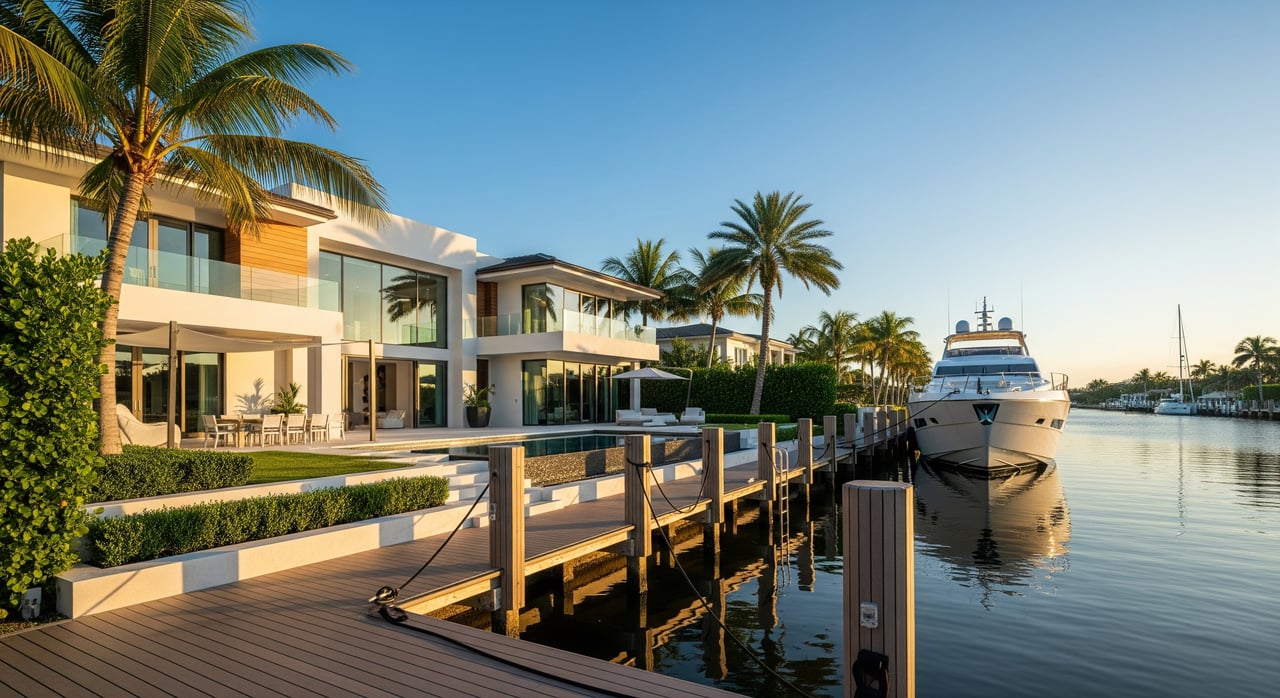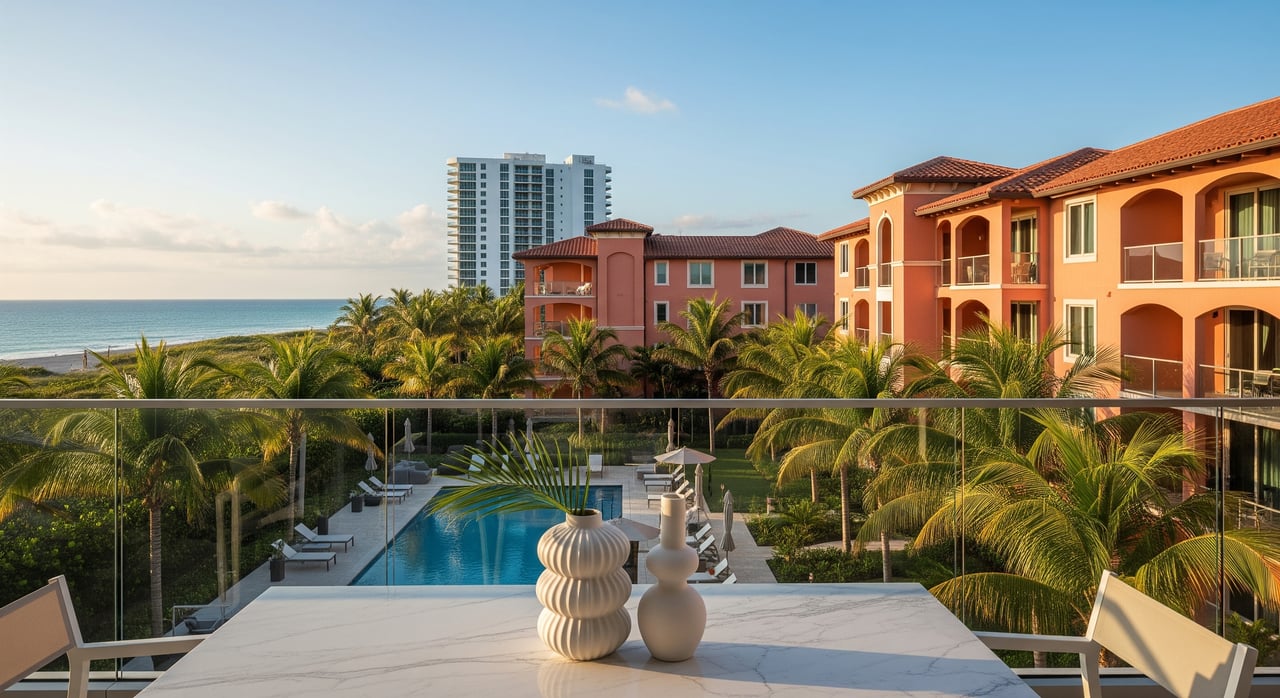
Dreaming of an ocean-view perch or a quiet coastal hideaway in Lauderdale-by-the-Sea, but not sure which condo style fits you best? You are not alone. Between insurance changes, reserve funding, and evolving building rules, it pays to compare high-rise and boutique options with care. In this guide, you will learn how each building type performs on lifestyle, costs, risk, and resale in LBTS, plus the key documents to review before you buy or sell. Let’s dive in.
Lauderdale-by-the-Sea at a glance
Lauderdale-by-the-Sea is a small barrier-island town between Fort Lauderdale and Pompano Beach. It is beach-oriented, walkable, and packed with condo buildings close to the sand. Many properties lean toward low- and mid-rise scales, with fewer super-tall towers than you see in downtown Fort Lauderdale.
Because it is coastal, your priorities often include ocean views, beach access, and proximity to shops and dining. At the same time, you need to plan for flood exposure, hurricane resilience, and long-term building upkeep. For town permits, zoning, or code questions, use the official Lauderdale-by-the-Sea website.
What counts as high-rise or boutique
In simple terms, a high-rise is a taller multi-story tower, often 10 stories or more, with multiple elevators and extensive common systems. A boutique condo is a smaller building, often 3 to 9 stories, with fewer units and simpler systems. In LBTS, you will find both styles, though smaller coastal buildings are common.
High-rise condos: benefits and trade-offs
Lifestyle and views
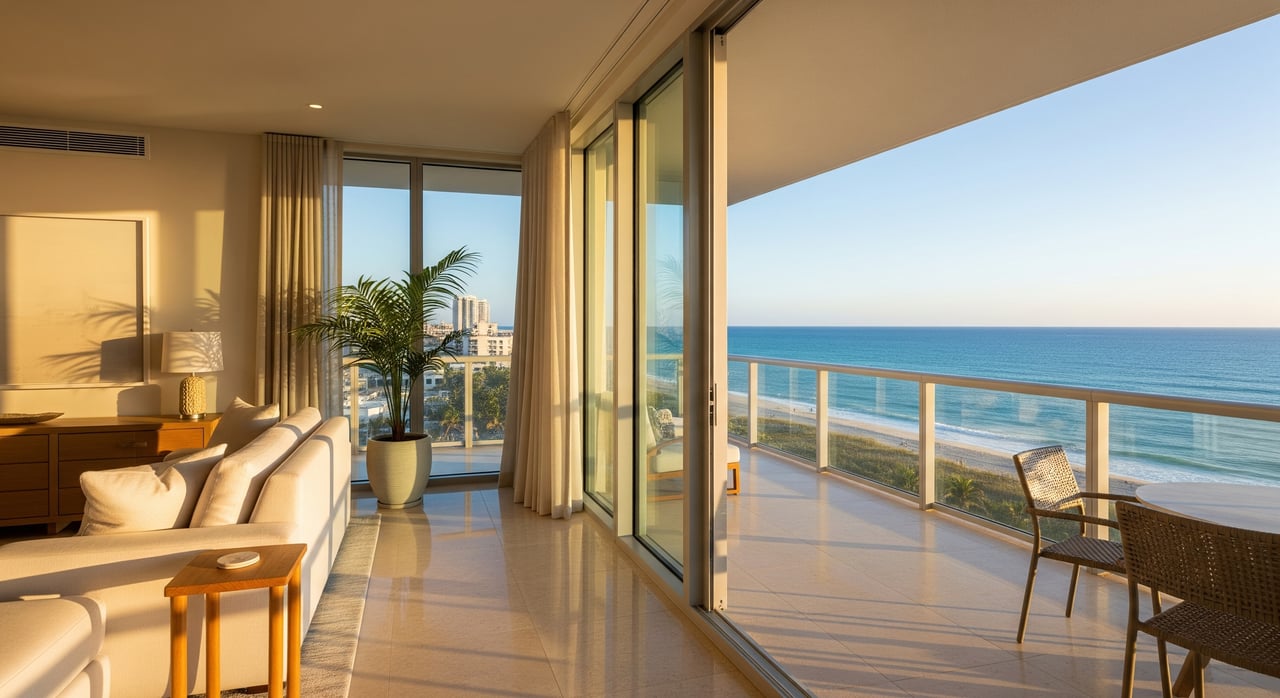
If wide ocean or Intracoastal views are top of your list, a high-rise often delivers. Upper floors can provide panoramic outlooks and distance from street activity. Many towers also offer staffed services and a larger amenity set.
Structure and maintenance
High-rises have more complex structures and mechanical systems. Elevators, large roofs, wide façades, and balconies require ongoing attention. Periodic large-scale repairs can be costly. After the Surfside tragedy, inspections and maintenance expectations increased statewide. Review an association’s inspection history and reserve planning in light of Florida’s Condominium Act.
Costs and fees
Monthly fees in high-rises often include staffing, elevator service, robust amenities, and larger insurance premiums. Associations should maintain reserves for big-ticket items like façade work and elevators. Ask for the latest reserve study and funding plan.
Access and resiliency
Elevator reliability matters, especially during or after storms. Upper-floor living can reduce direct flood exposure to the residence, but ground-level lobbies, parking, and building systems still face risk. Check flood zones and elevation using the FEMA Flood Map Service Center.
Boutique condos: benefits and trade-offs
Lifestyle and scale
Boutique buildings feel more intimate. You may know your neighbors and enjoy quick beach or street-level access. Some buyers value the simpler, quieter scale over large amenity packages.
Structure and maintenance
With smaller footprints and simpler systems, boutique buildings can manage repairs more nimbly. That said, the cost of a major project gets shared by fewer owners, so planning and reserves matter. Confirm the building’s inspection history, planned projects, and reserve adequacy under Chapter 718 requirements.
Costs and fees
Monthly dues can be lower in some boutique buildings due to fewer amenities. However, limited reserves or unexpected capital needs may lead to special assessments. Review budgets, reserves, and project timelines carefully before you commit.
Access and resiliency
Low-floor stairs access may be easier in smaller buildings, but not all boutique condos are elevator-free. Flood exposure for first-floor areas varies by elevation and mitigation measures. Verify flood zone, obtain an elevation certificate when needed, and consider flood insurance options via the FEMA Flood Map Service Center.
Insurance, reserves, and risk in coastal condos
Coastal associations carry master property insurance that often includes hurricane wind coverage, subject to notable deductibles. Premiums have risen across Florida. It is wise to review the declarations page for coverage limits, named wind or hurricane terms, and whether the policy is written at replacement cost. For consumer guidance on property and wind coverage, the Florida Department of Financial Services is a helpful resource.
Flood insurance is separate from the association’s master policy. If a building lies in a Special Flood Hazard Area, lenders typically require flood insurance. Even if not required, many buyers still opt in due to coastal risk. You can check flood maps and zones at the FEMA Flood Map Service Center. Coastal risk is also shaped by elevation and long-term sea-level trends, which you can explore through NOAA’s sea level rise tools.
Reserve strength is critical in both high-rise and boutique buildings. Ask for the latest reserve study and funding schedule, plus any engineering reports. Meeting minutes can reveal upcoming projects or assessments.
Financing and project eligibility
Condo financing depends on project eligibility. Lenders and agencies look at reserve funding, insurance coverage, owner-occupancy ratios, and litigation. If a project falls short, conventional or government-backed loans can be limited. Review project standards in the Fannie Mae Selling Guide and check FHA guidance via HUD’s condo resources.
For due diligence on a specific building or unit, confirm property records through the Broward County Property Appraiser and review association disclosures with your lender.
Rental rules and use restrictions in LBTS
Short-term rentals and leasing rules depend on both the association’s governing documents and local ordinances. Some buildings limit lease terms, number of rentals per year, or require waiting periods. For municipal rules, consult the official Lauderdale-by-the-Sea website, and always verify the condo’s bylaws, rules, and recorded documents before modeling rental income.
Due diligence checklist for buyers
- Get and review the full governing documents: bylaws, CC&Rs, rules, and regulations.
- Request the current budget, financials, reserve study, and reserve funding plan.
- Ask for master insurance declarations and flood insurance info; note deductibles and limits.
- Read board meeting minutes for the last 12–24 months for project and assessment signals.
- Confirm flood zone and obtain an elevation certificate if needed; review options on the FEMA Flood Map Service Center.
- Verify financing eligibility with your lender using the Fannie Mae Selling Guide and HUD.
- Check for litigation disclosures and any history of special assessments.
- Order a unit inspection; consider an engineer’s review for older structures or balconies.
- Confirm parking, storage, and assigned rights tied to the unit.
Selling strategy and prep for owners
- Assemble a clean disclosure package: association financials, reserve study, insurance declarations, recent minutes, and inspection reports.
- Disclose pending assessments and litigation early to preserve buyer confidence.
- Highlight completed capital projects and risk-mitigation steps by the association.
- Price with context: factor HOA dues, insurance conditions, project eligibility, and flood profile.
- For property records or legal descriptions, reference the Broward County Property Appraiser.
How to choose between high-rise and boutique
Start with your lifestyle goals. If 24-hour services, broad views, and resort-style amenities rank highest, a high-rise may fit you. If you prefer an intimate building and quick street-level access, a boutique may be ideal.
Then stress-test the numbers. Compare HOA dues, reserve strength, master policy terms, and flood exposure. Ask lenders about project eligibility and confirm rental rules. Finally, weigh resale. In-demand views and robust governance help any building type hold value. Your best choice is the building with the clearest maintenance plan, strong reserves, sound insurance, and rules that match your plans.
When you are ready to explore the best options on and off market, connect for discreet guidance, curated inventory, and a smooth process from first tour to closing. Reach out to Barry Levinson to start your search or to position your property for maximum impact.
FAQs
What are the main cost differences between high-rise and boutique condos in LBTS?
- High-rises often have higher dues for elevators, staffing, and larger insurance needs, while boutiques may have lower dues but a smaller owner base to fund major projects.
How do I check flood risk for a Lauderdale-by-the-Sea condo?
- Look up the property’s flood zone on the FEMA Flood Map Service Center and request an elevation certificate for accurate premium estimates.
What condo laws should I review before buying in Florida?
- Start with the Florida Condominium Act under Chapter 718 and review the association’s governing documents, budgets, reserves, insurance, and minutes.
Can financing be harder in some condo buildings?
- Yes. Lenders review project eligibility factors like reserves, insurance, owner-occupancy, and litigation; see the Fannie Mae Selling Guide and HUD for standards.
Do I need flood insurance if my unit is on a higher floor?
- Lenders base flood requirements on the building’s location and flood zone; many buyers still carry flood coverage for coastal risk. Check maps at the FEMA Flood Map Service Center.
Where can I verify local permitting or rental rules in LBTS?
- Use the town’s official site for codes and permitting at Lauderdale-by-the-Sea, and confirm rental policies in the association’s recorded documents.