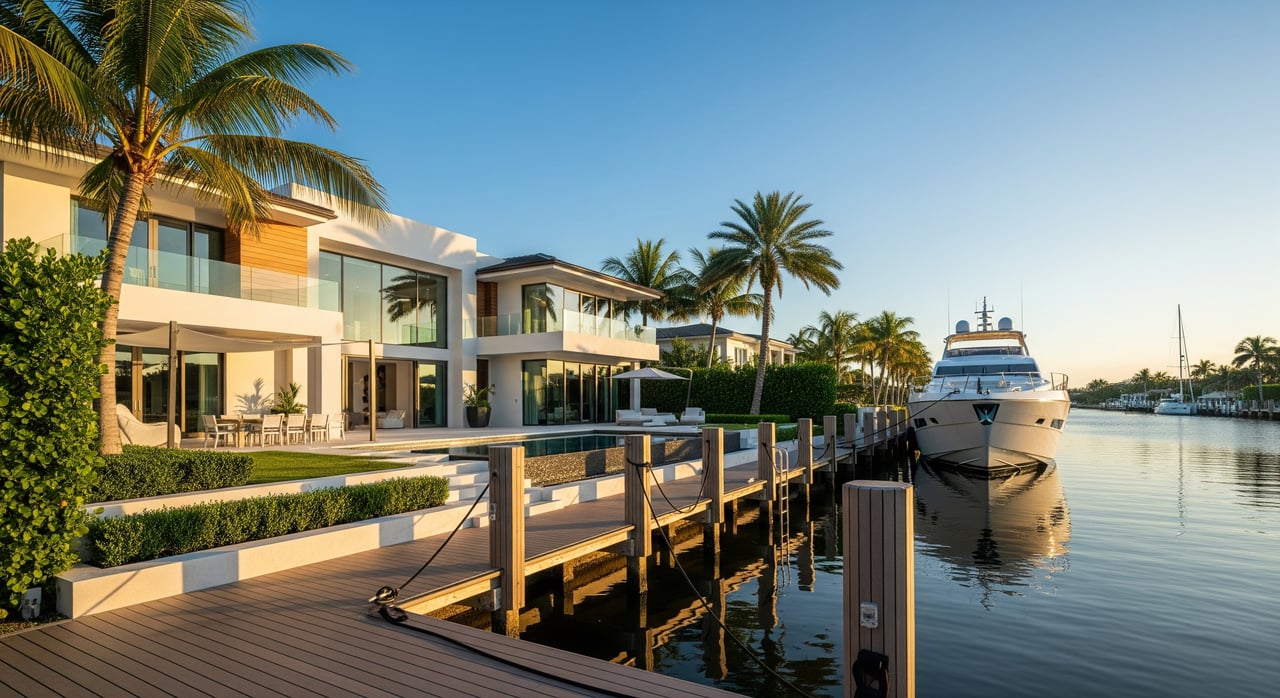
If you own a yacht, the big question in Coral Ridge is simple: where do you actually live to make boating effortless? You want a home that gets you onto the Intracoastal fast, with a dock that fits your vessel and services close by. In this guide, you’ll see exactly where yacht owners tend to live in Coral Ridge, what to look for in a dock and seawall, and how to navigate bridge clearances, insurance, and permits with confidence. Let’s dive in.
Why yacht owners choose Coral Ridge
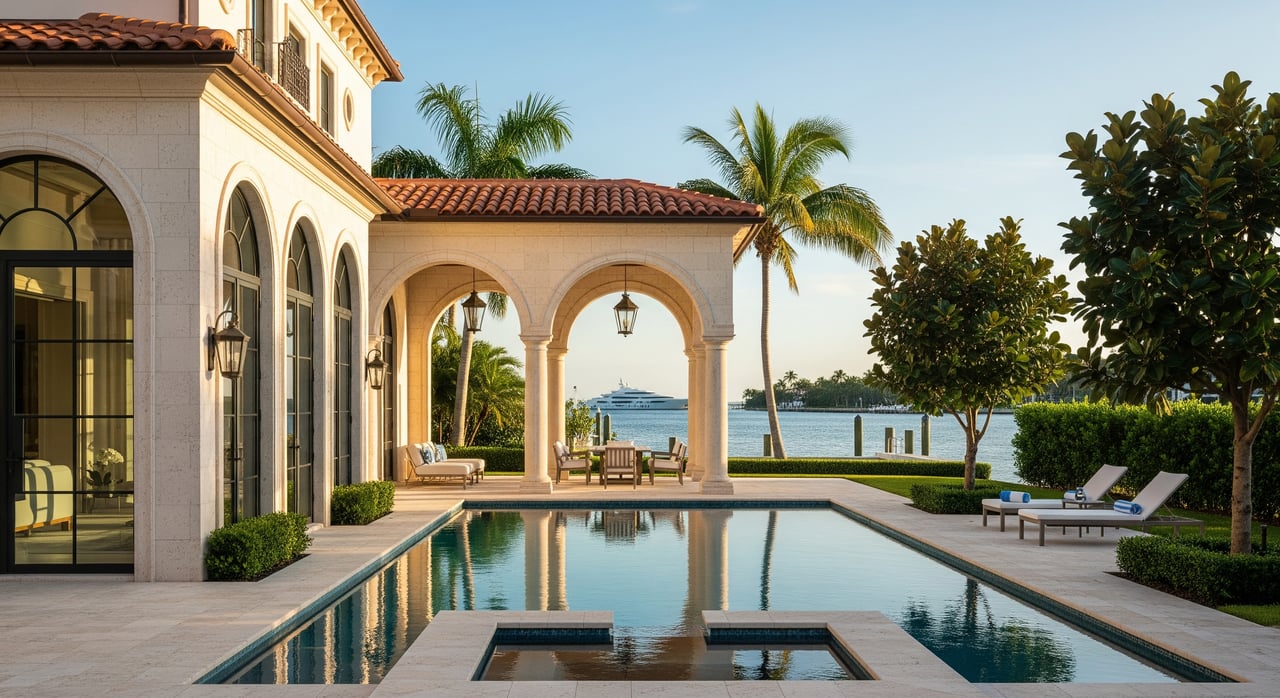
Coral Ridge sits in Fort Lauderdale and includes both inland streets and a network of canal and Intracoastal-front homes often referred to as Coral Ridge Isles. The Isles area is the heart of private-boat living here. You get direct access to the Intracoastal Waterway, and it is a short run out to open water via Port Everglades for cruising days.
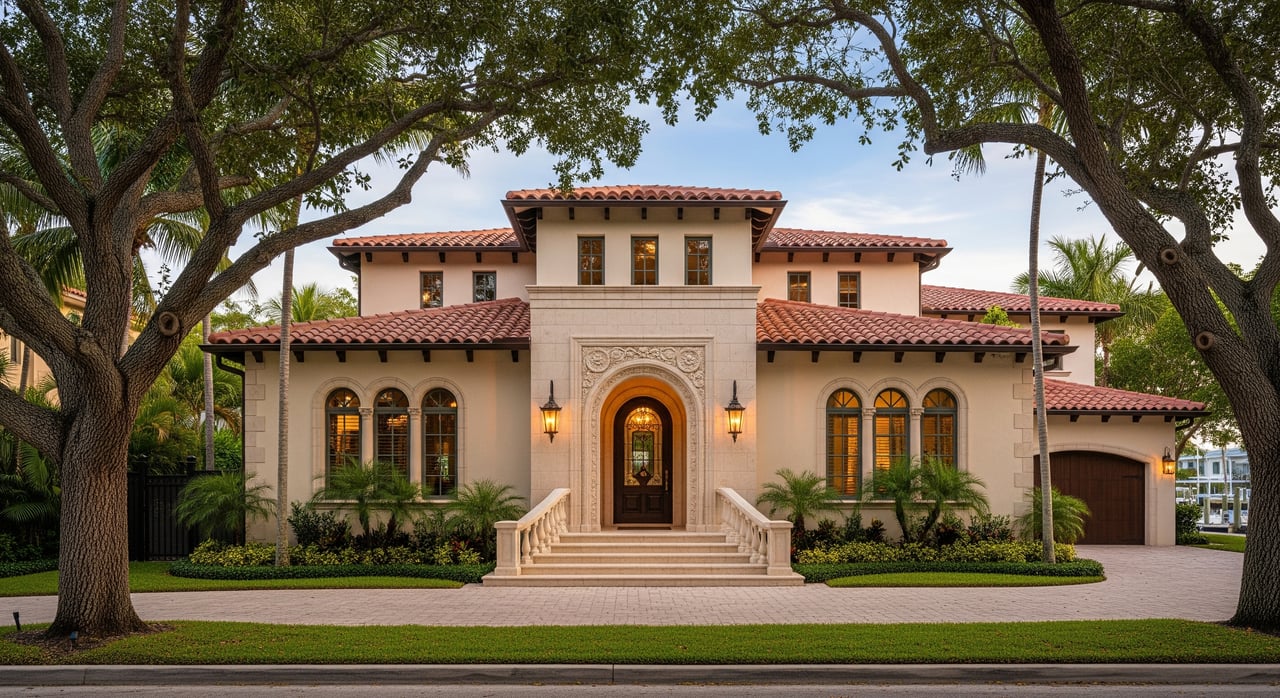
The neighborhood is known for single-family waterfront lots with seawalls and private docks. You also find select condos or townhomes with deeded slips or marina-style facilities, though there are fewer of these than single-family options. Non-waterfront homes are less common choices for yacht owners unless the vessel is kept at a nearby marina.
Where yacht owners live in Coral Ridge
Canal-front in Coral Ridge Isles
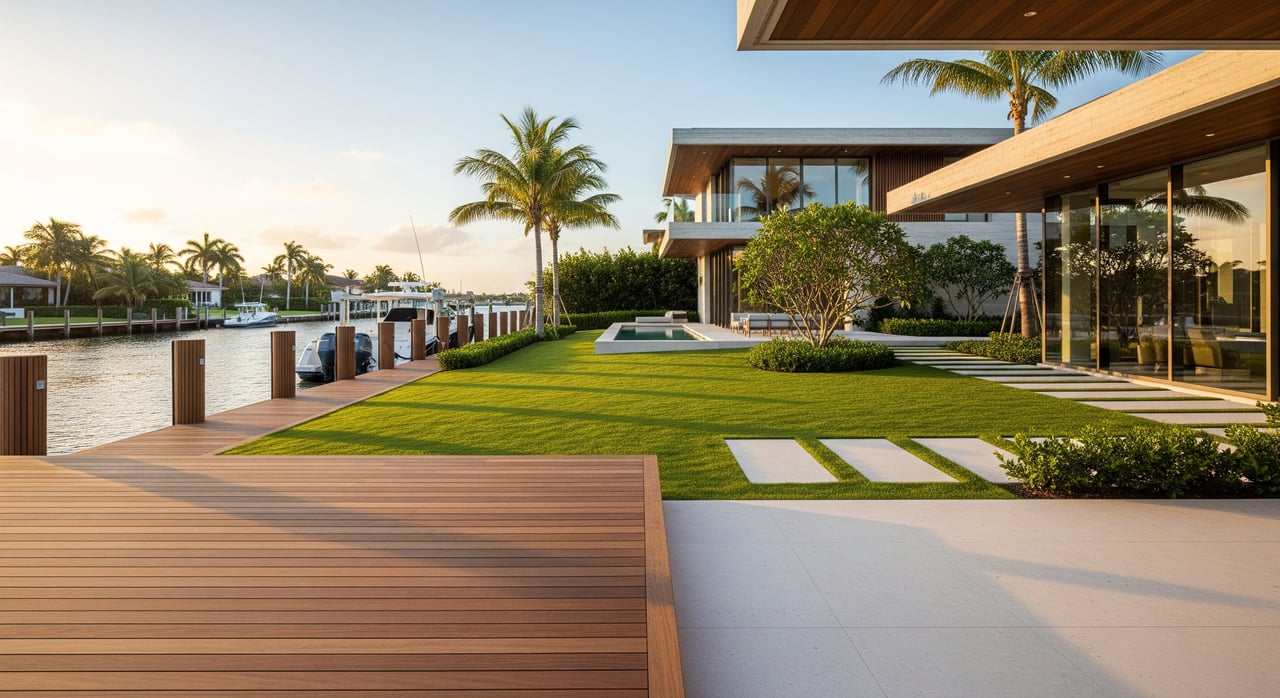
This is the core of yacht-focused living. Homes back onto dredged canals that connect to the Intracoastal. Owners here favor the convenience of stepping from the patio to the dock and the control that comes with a private slip.
Intracoastal-front addresses
Some properties sit directly on the Intracoastal Waterway. These locations often have broader exposure and deeper water alongside the seawall, which can suit larger vessels. They also offer quicker routes to open water.
Condo and townhome options with slips
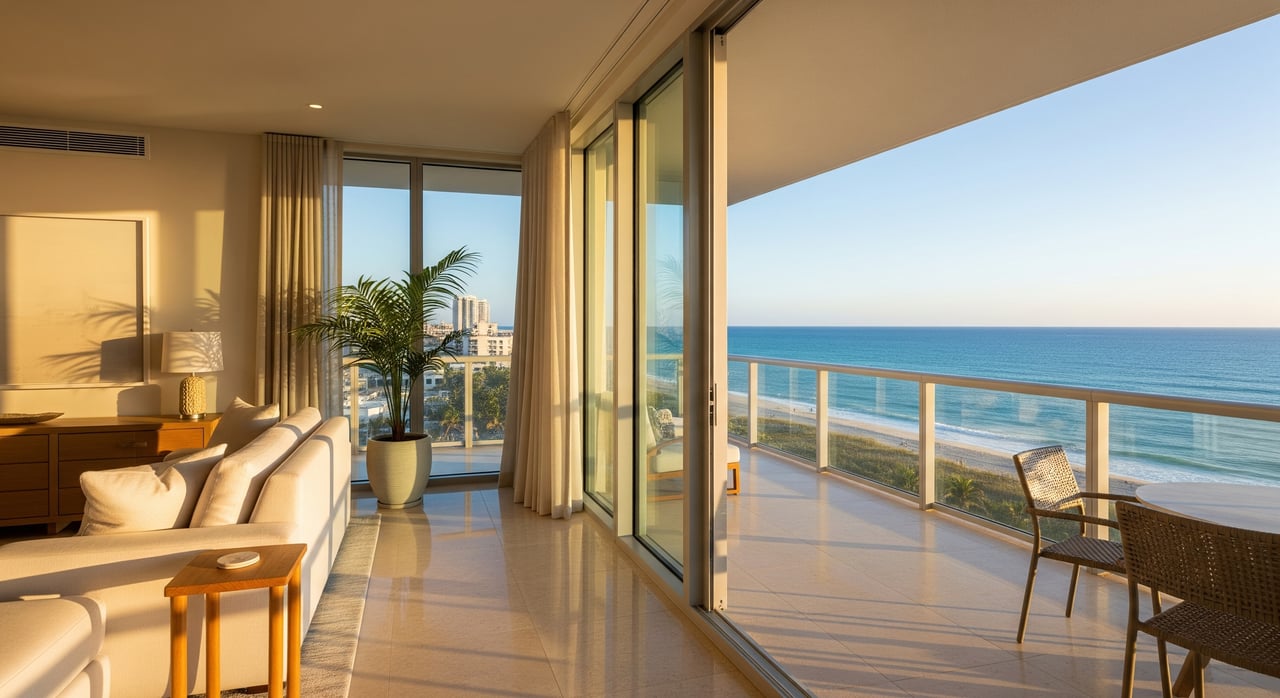
There are a few condominium and townhome communities that offer deeded slips or access to smaller marina facilities. These can work well if you prefer shared maintenance and a lower-lift lifestyle, especially for smaller vessels or runabouts.
Non-waterfront plus marina berthing
Some owners choose an inland residence and keep the yacht at a nearby marina. This can reduce dock upkeep at home while still keeping you within minutes of the boat. Availability varies, and slip size is limited at many facilities, so plan ahead if this is your strategy.
Bridge clearances and open-water routes
Route planning is essential. You will want to map fixed and movable bridge clearances between your dock and the ocean. Mast height, radar arches, and hardtops can all affect your passage, and some routes require bascule bridge openings.
Check tidal ranges and currents so you understand your true clearance and draft at different tide stages. You can verify local tidal information through NOAA Tides and Currents. For many owners, the appeal of Coral Ridge is that it offers a relatively short run to Port Everglades and the Atlantic compared with more inland neighborhoods.
Dockage and seawalls: what to verify
The dock and seawall are central to both enjoyment and resale. Use this quick checklist when you evaluate a property.
Dock dimensions and depth
- Confirm the recorded dock dimensions and the usable slip length and beam at the tie-up location.
- Ask for depth at mean low tide beside the dock. A recent sounding, sonar screenshot, or marine survey is ideal.
- Verify whether the dock is fee simple as part of the property or subject to a permit or lease.
Seawall condition and responsibility
- Determine the seawall’s age, material, and repair history. Replacement or major work can be costly and regulated.
- Confirm who is responsible for maintenance, which may be the owner or an association.
Permits, easements, and restrictions
- Confirm that the dock and seawall were permitted. Check for recorded easements or use restrictions that affect docking or lift installation.
- Review local setbacks, maximum dock footprint, and limits on floats or lifts. For guidance on coastal and submerged lands approvals, consult the Florida Department of Environmental Protection and the U.S. Army Corps of Engineers, Jacksonville District.
- For county-level rules and environmental permitting, review Broward County’s permitting resources.
Flood zone, wind, and insurance
- Many Coral Ridge waterfront parcels are in coastal flood zones. Pull the specific parcel’s zone using the FEMA Map Service Center and get insurance quotes early. You will likely evaluate both NFIP and private market options.
- Consider windstorm and hurricane coverage availability and deductibles as part of your total cost of ownership.
Bridge clearance and navigation
- Identify fixed bridge vertical clearances on your route and whether bascule bridges are required. This governs sailboat mast height and many powerboat superstructures.
- Check tidal ranges through NOAA Tides and Currents when calculating safe passage.
Nearby marinas and marine services
Fort Lauderdale is a global yachting hub, and Coral Ridge sits close to full-service yards and marinas. Owners in the neighborhood often use:
- Full-service boatyards for haul-outs, refits, and emergency work, such as Lauderdale Marine Center in Fort Lauderdale.
- Destination marinas with fuel docks and chandlery, including Bahia Mar Yachting Center and other Fort Lauderdale marinas.
- Private and club facilities like Fort Lauderdale Yacht Club for social and boating events.
Services change, so verify current capabilities directly with each marina or yard.
For sellers: turn dock features into value
If you are selling a Coral Ridge waterfront home, your dock and seawall can be a major driver of buyer interest and price confidence. Prepare a clean package that answers boating questions up front.
- Provide as-built dock plans and any available soundings showing depth at mean low tide.
- Share seawall age, material, maintenance, and repair records. Include invoices or inspection reports when available.
- Confirm permit history and any recorded easements, then summarize limits on lifts, finger piers, or floats.
- Note utility service at the dock such as power and water, plus lighting and safe cleat and fendering points.
- Photograph the dock at both low and higher tides to show true water line and approach.
- If there is an HOA, share covenants on boat size and dock aesthetics, and outline responsibility for seawall care.
High-quality documentation reduces risk for buyers, shortens diligence, and improves marketability. Larger usable slips and deeper water often widen the buyer pool for the property.
For buyers: a step-by-step playbook
Use this sequence to protect your time and capital.
Define your vessel: overall length, beam, draft at full load, and height to the highest fixed point. Note any future upgrade in size you might plan.
Map your route: identify all fixed and bascule bridges between the property and the ocean. Use NOAA Tides and Currents to factor tidal ranges into vertical clearance and draft.
Inspect the property: measure usable dock length and beam, review power and water at the dock, and observe approach width and turning basin.
Order surveys: obtain a marine survey for depth at mean low tide and a dock and seawall inspection by qualified vendors.
Verify permits: check county, state, and federal records for dock, lift, or dredging approvals. Start with Broward County’s permitting resources, the Florida DEP, and the USACE Jacksonville District.
Review HOAs: confirm any rules on boat size, appearance, or dock use if the home is in a community association.
Confirm flood and insurance: pull the parcel on the FEMA Map Service Center, then obtain flood and wind quotes before you finalize terms.
Validate records: use the Broward County Property Appraiser for parcel data and recorded improvements, and request seller disclosures. Your agent can pull MLS remarks for additional dock details and historical context.
Plan for costs: budget for seawall and dock maintenance, lift upkeep, potential dredging, and insurance. These line items can be significant.
How to get current local data
- Property details and recorded improvements: check the Broward County Property Appraiser.
- Flood and base elevation context: review the FEMA Map Service Center.
- Tides and currents for route planning: use NOAA Tides and Currents.
- Permitting and environmental rules: start with Broward County and the Florida DEP, then confirm federal history with the USACE Jacksonville District.
- Active listings and historical sales: your agent can provide MLS data and broker remarks specific to dock dimensions, depth, and dredging notes.
The bottom line
In Coral Ridge, yacht owners concentrate on canal-front homes in Coral Ridge Isles and select Intracoastal-front addresses. The right fit comes down to usable dock length, depth at mean low tide, bridge clearances, and solid permitting. With the area’s strong marine ecosystem and quick runs to open water, you can pair a great home with the boating life you want.
If you are weighing options or want a private look at on and off-market opportunities, connect with a local advisor who lives this waterfront niche every day. For discreet guidance and curated inventory, reach out to Barry Levinson for a conversation.
FAQs
How do I confirm a Coral Ridge dock fits my boat?
- Request measured usable dock length and beam, plus a marine survey or sounding showing depth at mean low tide. Confirm permits and any limits on lifts or finger piers.
What extra costs come with a Coral Ridge waterfront home?
- Budget for seawall and dock maintenance or replacement, lift upkeep, higher flood and wind insurance, and possible dredging or permit fees.
Can I expand a dock or dredge deeper at a Coral Ridge home?
- Not automatically. Dredging and dock work require approvals that vary by site. Check records with Broward County, the Florida DEP, and the USACE Jacksonville District.
Are there limits on boat size in Coral Ridge canals?
- Yes, limits are driven by the specific dock footprint, water depth, canal width, and local rules. Some lots fit larger yachts, while others only suit smaller vessels.
Should I keep my yacht at a private dock or a commercial marina?
- Private docks offer convenience and control. Commercial marinas provide amenities and lower maintenance responsibilities. Choose based on lifestyle, vessel size, and services.
How do I check flood zones for a Coral Ridge property?
- Use the FEMA Map Service Center to look up the parcel’s flood zone, then obtain insurance quotes early to understand coverage and costs.