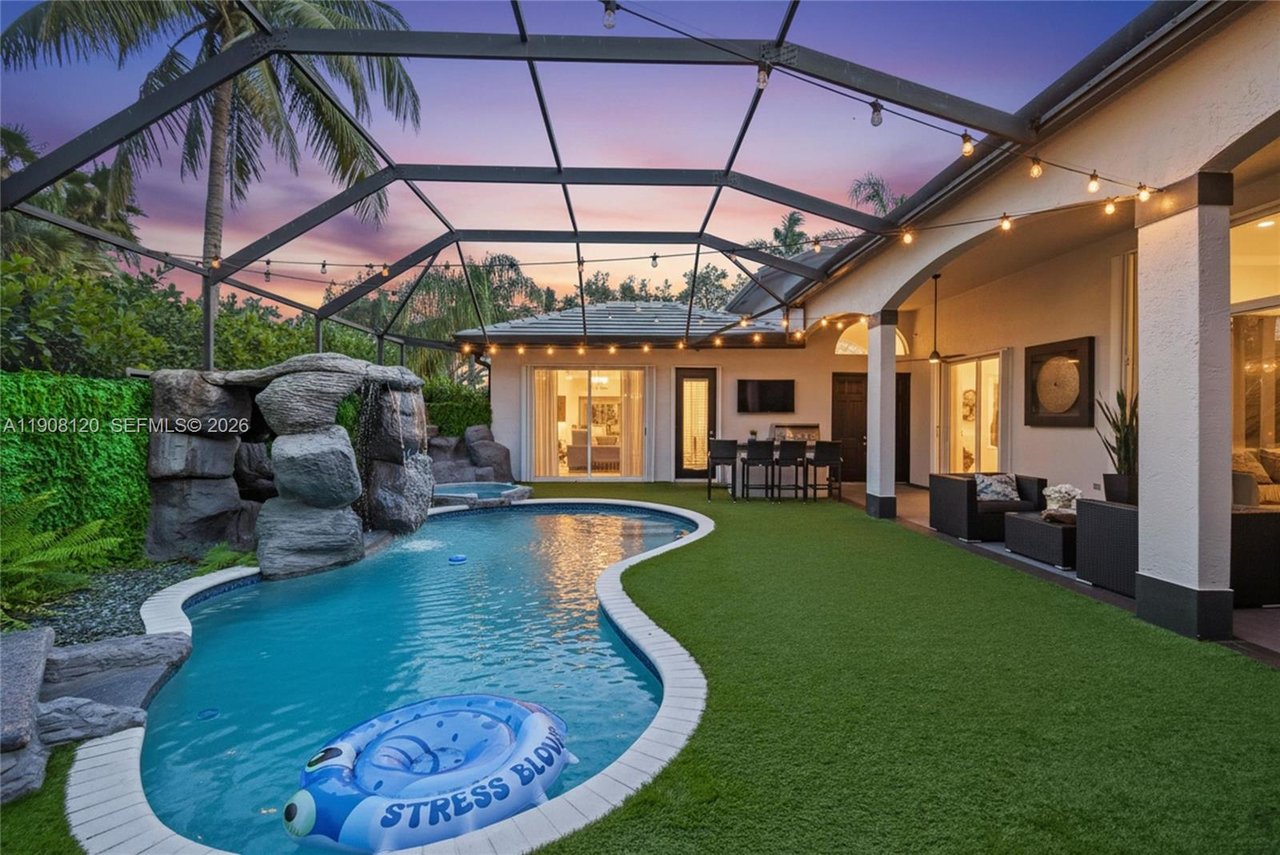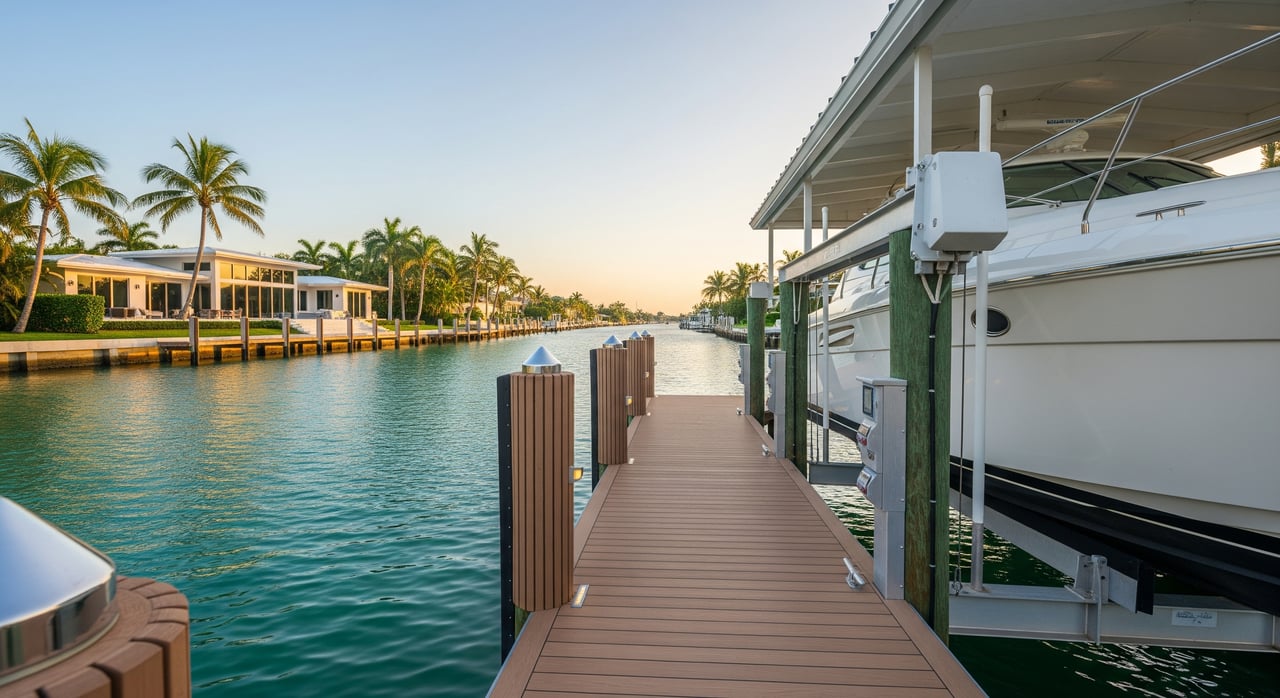
Picture this: you step from your patio onto your boat, ease off the lines, and you are on your way to open water without stress. If Lighthouse Point is on your radar, you have likely heard the term deep-water dockage. It sounds simple, yet it carries real implications for value, usability, and long-term costs.
In this quick primer, you will learn what deep-water really means, how to verify a property’s dock can handle your vessel, the permits and timelines to expect, and the key risks to plan for in Lighthouse Point. You will also get practical checklists you can use while touring homes or preparing to sell. Let’s dive in.
What deep-water dockage means
Deep-water dockage generally means a dock or slip with enough depth at or near mean low water for larger powerboats and yachts to berth and transit safely without grounding. In practice, many boats need roughly 6 to 8 feet at low tide, while larger yachts can require 10 to 12 or more. The exact number depends on your vessel’s draft and the local tide.
Why it matters to you:
- Boat compatibility. Depth at low tide sets the practical limit for your vessel’s draft and size.
- Market value. Usable, documented dockage can increase buyer demand and support pricing.
- Ownership costs. Seawalls, docks, lifts, insurance, and potential dredging add ongoing expense.
- Long-term risk. Shoaling, storm surge, and sea-level trends can change access over time.
Lighthouse Point water access, at a glance
Lighthouse Point sits on Broward County’s canal system and the Intracoastal Waterway corridor with connections to the Atlantic via local inlets. Many homes offer private docks on canals or along the ICW, which makes due diligence on routes and depths essential.
Depth, draft, and tides
South Florida’s tidal range is modest, but low tide is the standard reference for evaluating minimum usable depth at a dock. Always verify depth at or near mean low water and compare it to your boat’s draft plus a safety margin. Seasonal water levels, spring tides, and storm conditions can all affect clearance.
Shoaling can occur in some canals and channels. Periodic dredging may be needed, which is regulated and can be costly. Before you close on a home or plan a new lift or dock extension, confirm whether shoaling has been documented in the area and whether dredging has been required historically.
Clearance and bridge checks
If your route to open water includes bridges, vertical clearance can be just as important as depth. Confirm fixed bridge heights, whether there are movable bridges on your route, and operating schedules. Sailboats and larger motor yachts should account for antennas, towers, and outriggers when calculating clearance.
How to verify a property’s dock
Verifying dock usability is one of the most important steps in a waterfront purchase. Rely on measurements and documentation rather than anecdotal claims.
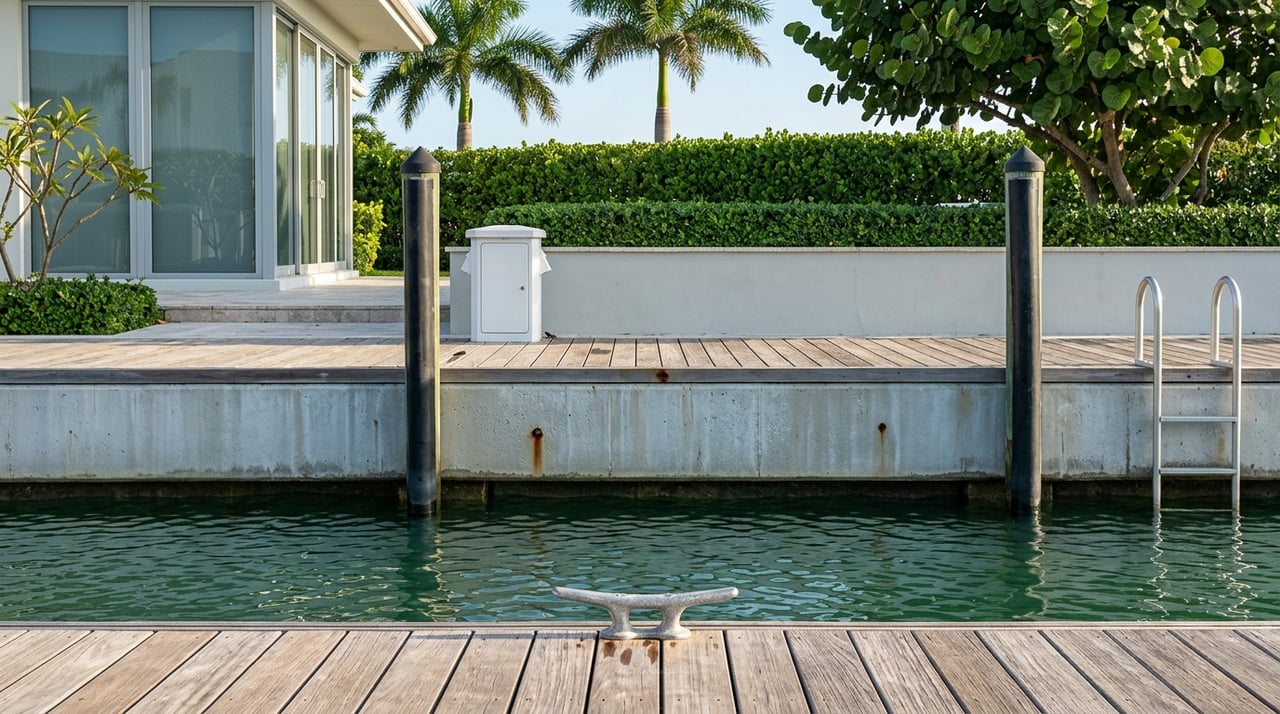
- Ask for a recent sounding or hydrographic depth measurement at the dock, ideally taken near low tide and noted with the tide state.
- Confirm dock dimensions, construction type, and the presence of a boat lift or davits. Get lift capacity, age, and maintenance records.
- Request as-built plans, permit history, and any recorded easements or riparian rights that affect dock use and size.
- Hire an independent marine surveyor to confirm berthability for your specific vessel and to flag any structural issues.
- Verify seawall condition with a current inspection report, including tiebacks and evidence of scouring.
- Cross-check marketing terms like deep-water dockage against the documented depth and route constraints.
Pro tip: Always compare the measured depth to your vessel’s draft at mean low water. That simple step helps prevent surprises after closing.
Permits and rules you should know
Dock, seawall, lift, and dredging work can involve several layers of review. Start early and expect coordination across city, county, state, and sometimes federal agencies.
- City of Lighthouse Point. The Building and Planning Department reviews dock construction, repairs, extensions, seawalls, and local setbacks.
- Broward County. Environmental and coastal staff may review projects that affect county canals, floodplain issues, or resources.
- Florida Department of Environmental Protection. Regulates work in state tidal and submerged lands and issues environmental resource permits for docks, seawalls, and dredging.
- U.S. Army Corps of Engineers. Federal permits may be required for dredging and work in navigable waters.
- Florida Fish and Wildlife Conservation Commission and NOAA. Protected species, seagrass, and habitat rules can shape what you can build and when.
Typical constraints include riparian rights, maximum slip widths, number of slips, pile and material specs, boat lift rules, and habitat protection measures. If a project encroaches on public waters or state tidelands, additional approvals and public interest tests may apply.
Timeline and process
- Start with the City of Lighthouse Point to confirm local codes, setbacks, and submittal requirements.
- Determine whether Broward County, FDEP, and USACE reviews are triggered based on scope and location.
- Build in time for environmental review, potential mitigation, and agency coordination. Simple repairs can be quicker, while new docks or dredging can take months.
Costs, maintenance, and insurance
Owning deep-water dockage is a lifestyle upgrade, yet it demands ongoing care and realistic budgeting.
- Maintenance items. Expect periodic decking replacement, pile reinforcement, lift servicing, electrical and water line upkeep, lighting repairs, and hardware checks.
- Dredging. If needed, dredging requires permits and can be a major expense. Frequency and responsibility vary by location and association rules.
- Seawalls. Repair or replacement can be significant. A current seawall inspection helps you budget accurately and negotiate.
- Insurance. Check FEMA flood zone designations and have an elevation certificate on file. Discuss marine liability exposure with your insurer and consider endorsements or separate policies for the dock and lift.
Storm readiness and resilience
Resilient design and a plan matter in coastal Florida.
- Confirm your dock and lift meet current code for wind and wave conditions.
- Ensure lift capacity is appropriate and understand procedures to secure or remove your boat before a storm.
- Review vessel evacuation routes and mooring options in advance of hurricane season.
- Consider long-term sea-level trends and future adjustments to dock elevation or design.
Selling a Lighthouse Point waterfront home
If you are preparing to sell, solid documentation can enhance buyer confidence and support your list price.
- Gather permits, as-built plans, dock and seawall inspection reports, lift specs and maintenance records, and any recent depth soundings.
- Disclose known issues like past dredging, erosion, structural repairs, or maintenance backlog.
- Align marketing with facts. Claims about deep-water access should be corroborated by measurements and route checks.
Providing a clear, organized dock file helps buyers act decisively and reduces the chance of post-contract disputes.
Smart next steps
- For buyers: order a depth sounding at low tide, request full dock and seawall documentation, and bring in a marine surveyor early in inspections.
- For sellers: complete a seawall and dock inspection, update lift service, and compile permits and plans before going to market.
- For both: consult the City of Lighthouse Point first, then confirm any county, state, or federal permits that may apply to your plans.
If you want a discreet, end-to-end plan for purchasing or selling a Lighthouse Point waterfront property with real dockage intelligence, connect with Barry Levinson. You will get boutique advisory paired with premium marketing reach and a clear path from due diligence to closing.
FAQs
What does deep-water dockage mean for a home purchase in Lighthouse Point?
- It means the dock has sufficient depth at or near mean low water for your vessel’s draft, which you should verify with a current sounding and a marine surveyor.
How can I confirm a Lighthouse Point dock will fit my boat?
- Request a recent low-tide depth measurement, review lift capacity and dimensions, check bridge clearances along the route, and have a marine surveyor validate safe berthability.
Who is responsible for dredging or seawall repairs at a private dock?
- Responsibility typically falls on the property owner unless an association or local program states otherwise, so review recorded documents and local ordinances.
Will I need permits to build or modify a dock in Lighthouse Point?
- Most dock, lift, seawall, or dredging projects require city review and may also require county, state, and federal permits depending on scope and location.
Does having a private dock guarantee clear ocean access from Lighthouse Point?
- No, actual access depends on canal and channel depths, shoaling, bridges and their clearances, and inlet conditions, which you should verify before closing.
What documents should I gather before selling a waterfront home with dockage?
- Compile permits, as-built plans, dock and seawall inspection reports, lift specifications and service records, and recent depth soundings to support buyer diligence.