Thinking about trading a big house for a simpler South Florida base? You are not alone. Many Boca Raton buyers want low-maintenance living with strong amenities, security, and easy beach access. In this guide, you will see how full-service condominium living compares with life in a gated single-family or villa community, plus what Florida’s newer rules mean for your budget. Let’s dive in.
Why Boca works for downsizers
Boca Raton attracts seasonal owners and retirees who want convenience, culture, and medical access in a coastal setting. City planning materials show an older-leaning population and strong demand for walkability and multimodal access near beaches and shopping. You benefit from a wide mix of buildings and gated neighborhoods, which makes it easier to match lifestyle with budget. Review local planning context to see how infrastructure supports your day-to-day needs in Boca Raton’s core areas (city planning overview).
Condo vs gated: quick take
Full-service condominiums
You get staffed convenience with centralized building care. Associations typically cover exteriors, roofs, elevators, common areas, and often security and on-site services. This model is ideal if you want a lock-and-leave setup, a smaller footprint, and amenities within an elevator ride. Monthly fees are usually higher in luxury or oceanfront towers due to staffing and building systems.
Gated single-family or villa communities
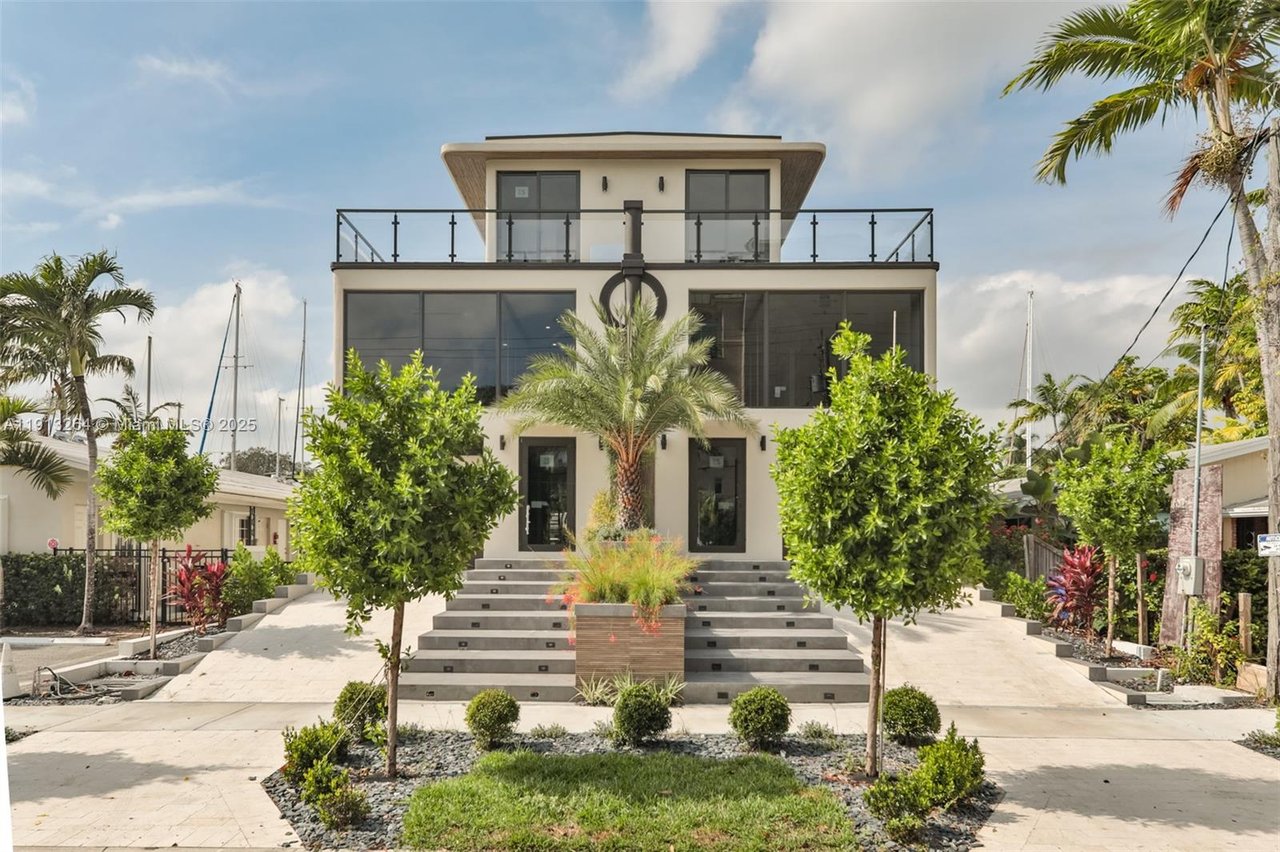
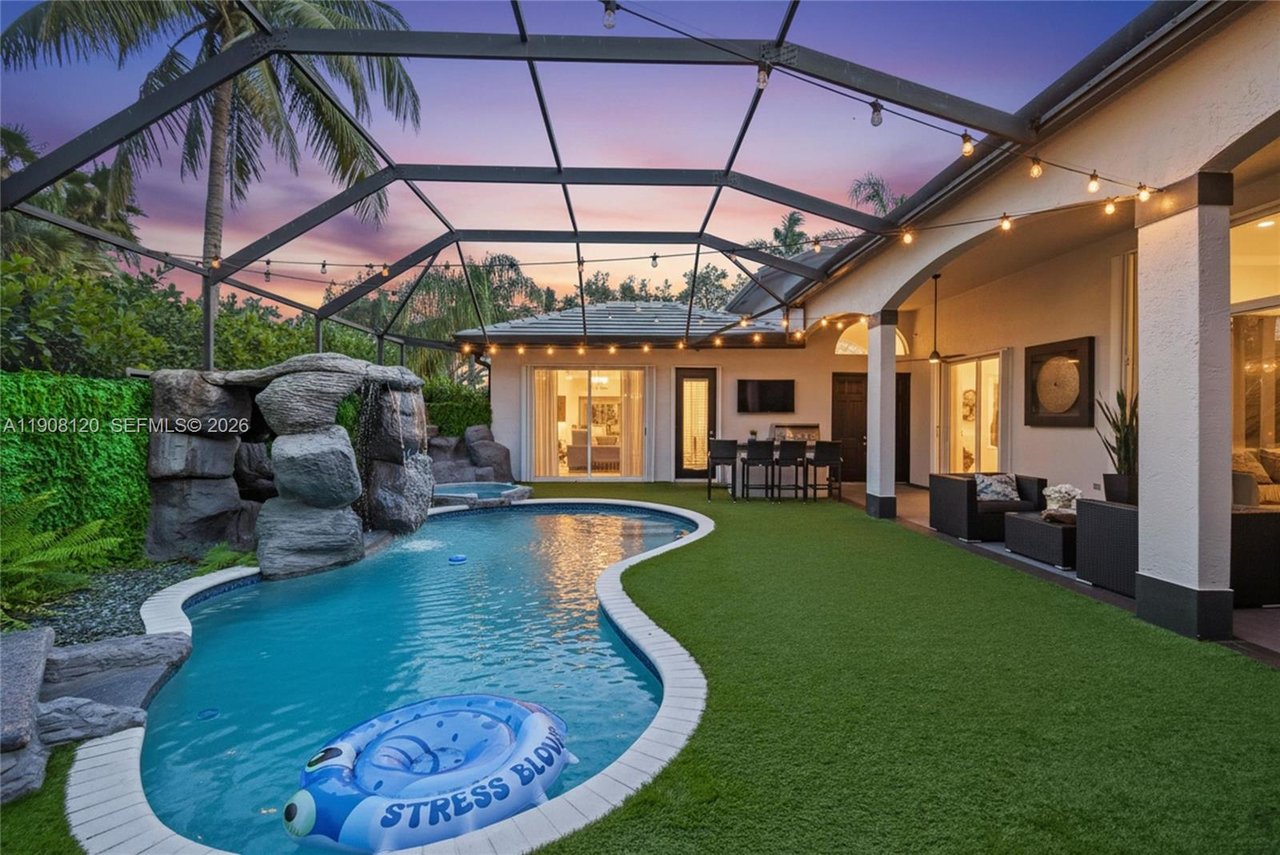
You live in a neighborhood with controlled access and private outdoor space. The HOA cares for roads, landscaping of shared areas, and amenities, while you usually handle your home’s exterior, roof, and private yard or pool. Some villa products include exterior maintenance, which can narrow the gap with condo convenience. Fees vary by amenity scale, and homes can feel more private with garages and no shared walls.
Laws that shape your costs
Florida updated condominium rules after Surfside, and those changes directly affect condo budgets and reserves. Many condos must complete a Structural Integrity Reserve Study and fund reserves for key building components, which can raise monthly assessments or lead to special assessments in underfunded buildings. Review the reserve and inspection requirements before you write an offer (Florida Statutes §718.112).
Homeowners’ associations that govern most gated communities follow a different statute. Reserve accounts can be created and, in many cases, modified by owner vote, so funding is often more flexible than in condos. This is one reason condo obligations for major systems can be higher than in HOAs (Chapter 720 overview).
Recent legislative updates also adjusted disclosure timing and buyer review windows. Pay attention to how long you have to examine budgets, reserve studies, and minutes before closing, since your timeline to cancel or negotiate depends on these windows (legislative analysis for HB 913).
Maintenance and services
In a full-service condo, the association handles the big-ticket exterior items. You focus on your interior, furnishings, and personal preferences. This setup saves time and simplifies ownership, especially if you split the year between states.
In a gated neighborhood, upkeep depends on the specific product. Standard single-family homes require you to manage the roof, exterior paint, and yard. Villa enclaves sometimes bundle exterior care and landscaping into the fee, which makes seasonal life easier. Always confirm exactly what the community maintains versus what you handle.
Amenities and examples
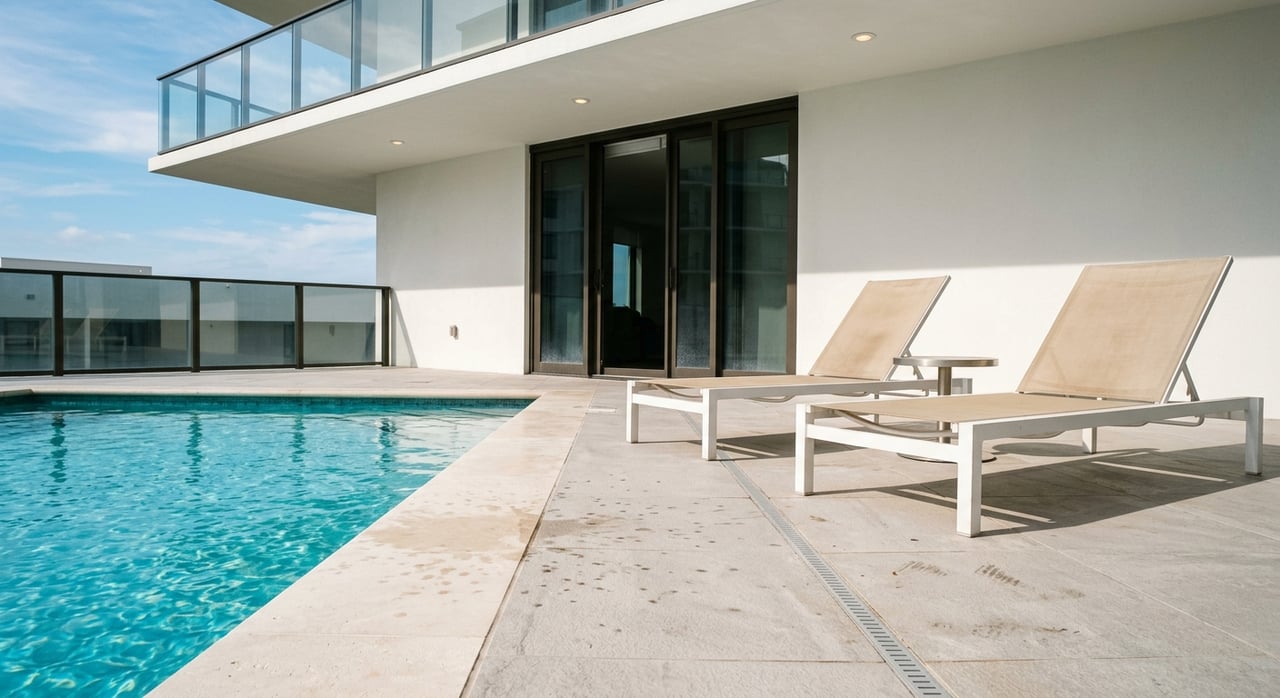
Condominium towers along A1A, Mizner Park, and the Intracoastal often provide concierge, valet, fitness centers, lounges, pools, and resident programming. You get social life and services without leaving the building.
Gated communities deliver neighborhood-scale amenities and space to spread out. If golf, club life, and large campus amenities appeal to you, explore a flagship country-club environment like Boca West for a sense of scale, membership structure, and capital planning practices (Boca West market update). If you prefer an estate setting with marina and golf access, review neighborhood context and rules before you visit model homes or resales (Royal Palm Yacht & Country Club profile).
Lock-and-leave realities
Condos typically offer the smoothest seasonal living. Package handling, building security, and central systems reduce the need for a property manager. Confirm guest policies, short-term rental rules, and whether on-site staff can coordinate vendor access when you are away.
In gated neighborhoods, lock-and-leave convenience depends on the home. A villa with exterior care can work well for snowbirds. A single-family residence may require a local caretaker or manager for hurricane prep, landscaping, pool, and periodic checks.
Insurance basics you should know
In condominiums, the association buys a master policy for the building and common elements. You still carry an HO-6 policy for interior finishes that are your responsibility, personal property, liability, and loss-assessment coverage. Ask whether the master policy is “bare-walls” or “all-in,” since that changes what your HO-6 must cover (condo insurance basics). Flood insurance is separate. Confirm whether the association holds an RCBAP for condos in flood zones or if you need your own policy, and verify lender requirements for second homes (Citizens Property Insurance).
In HOAs, you insure your structure and lot as a standard homeowner policy, while the association covers common areas. Wind, flood, and deductibles vary by property and elevation, so get quotes for the exact address.
Fees and assessment risk
Association fees reflect staffing, amenities, insurance, and reserves. Luxury oceanfront condos and full-service buildings often carry higher monthly assessments. Older or taller condo buildings subject to structural reserve rules can face near-term capital projects if reserves were underfunded in the past. Review the current budget, reserve study, and any planned projects before you buy (reserve requirements overview).
Taxes and homestead planning
If you plan to make your Boca residence your primary home, apply for Florida’s homestead exemption by March 1. Homesteaded properties benefit from the Save Our Homes cap, which limits annual assessed value increases to 3% or CPI, whichever is lower. Second homes do not receive the homestead benefit, so this decision can meaningfully change your annual taxes (Florida Department of Revenue guidance).
Rentals and guest use
Rental rules vary widely by city and by association. Some condos and HOAs limit the length or frequency of rentals, require waiting periods, or set minimum lease terms. Boca Raton also has license and compliance requirements that may apply to short-term rentals. Confirm both the association’s documents and local registration before you assume rental income is possible (Boca short-term rental licensing overview).
Due-diligence checklist
Before you commit, request and review these items:
- Declaration, bylaws, rules and amendments. Confirm maintenance responsibilities, pet rules, parking, and rental policies. Statutory differences between condos and HOAs affect who pays for what.
- Current operating budget, latest financials, and the most recent reserve study. For condos subject to SIRS, confirm what components are covered and whether reserves are fully funded.
- Master insurance summary. Verify coverage limits, policy form, named-storm deductibles, and whether flood is included at the association level.
- Minutes for recent board meetings and any litigation or code issues. These can signal upcoming capital projects or special assessments.
- Staffing and vendor contracts. Ask about concierge or security staffing levels, landscape and pool contracts, and any seasonal changes that might affect service.
- Flood map and elevation certificate, if applicable. Obtain independent flood and wind quotes for the specific address and confirm lender requirements.
- For gated communities, request HOA budgets and any club membership buy-ins, dues, and capital plans. Country-club capital projects can involve separate contributions.
Which fits you best?
Choose a full-service condo if you value time savings, simplified maintenance, and amenity-rich living with true lock-and-leave convenience. Pick a gated neighborhood if you want more privacy, a garage, and outdoor space, and you are comfortable coordinating some exterior care or hiring help. Many buyers start with a condo for seasonal ease, then transition to a villa or single-family home as needs change.
When you are ready to compare specific buildings and communities, work with a local advisor who will pressure test budgets, reserves, insurance, and rules before you write an offer. If you want discreet guidance and curated options that fit your lifestyle and timeline, connect with Barry Levinson for a private consultation.
FAQs
What makes Boca Raton popular for downsizers?
- Boca offers coastal access, strong amenities, and an older-leaning population, which creates a deep inventory of condos and gated options that support low-maintenance living.
How do Florida’s condo reserve rules affect my budget?
- Many condos must complete structural reserve studies and fund key components, which can increase monthly fees or lead to special assessments in underfunded buildings.
In a condo, what insurance do I still need?
- Most owners carry an HO-6 policy for interior finishes, personal property, liability, and loss-assessment coverage, plus separate flood coverage if required.
What is the homestead exemption and Save Our Homes cap?
- If you make the property your primary residence and file by March 1, homestead can reduce your taxes and cap annual assessed value increases at 3% or CPI, whichever is lower.
Can I rent my Boca property seasonally?
- It depends on both city rules and your association’s documents; many condos and HOAs restrict rental length, frequency, and timing, and some require local licensing.